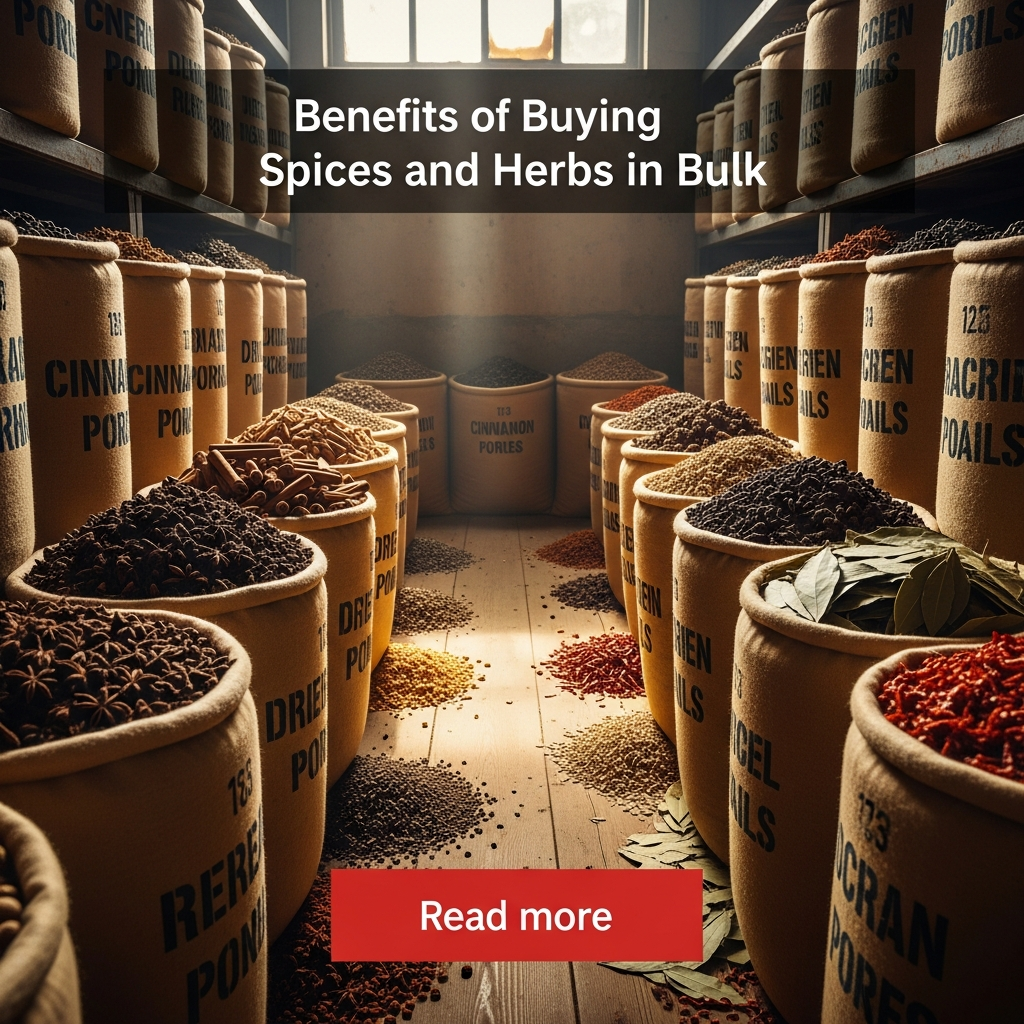
Benefits of Buying Spices and Herbs in Bulk for Businesses

Have you noticed how food brands struggle to keep flavor consistent while managing rising costs? For many businesses, the answer lies with spices and herbs wholesalers who offer bulk sourcing solutions. Buying spices and herbs in bulk is no longer limited to large manufacturers. Restaurants, food processors, exporters, and private label brands now rely on bulk purchasing to stay competitive.

Spices and herbs play a critical role in taste, aroma, and brand identity. Small fluctuations in quality or pricing can directly affect customer trust. This is why working with reliable spices and herbs wholesalers has become essential for businesses that want control over supply, quality, and margins.

In this article, we explore the real benefits of buying spices and herbs in bulk, how wholesalers support business growth, and what buyers should consider when choosing the right sourcing partners.

Why Businesses Prefer Spices and Herbs Wholesalers

Cost Efficiency Through Bulk Purchasing

Buying in bulk significantly reduces per unit costs. Spices and herbs wholesalers negotiate directly with growers and processors, passing savings to buyers.

According to Statista, bulk procurement can lower raw material costs by 15 to 25 percent for food businesses, especially in high volume categories like spices.

Key cost benefits include

  • Lower packaging and handling expenses
  • Reduced frequency of orders
  • Stable pricing over longer periods

For businesses with tight margins, these savings add up quickly.

Consistent Quality and Supply Assurance

Uniform Taste and Aroma

Consistency is critical for food brands. Bulk sourcing from established spices and herbs wholesalers ensures uniform batches, which helps maintain the same taste across products.

According to Harvard Business Review, supply consistency directly influences brand reliability in food and beverage industries.

Reduced Supply Disruptions

Seasonal availability and crop variations can disrupt supply chains. Wholesalers maintain buffer stocks and diversified sourcing networks to reduce these risks.This allows businesses to plan production without frequent interruptions.

Better Inventory Planning and Control

Predictable Stock Levels

Bulk buying allows businesses to forecast demand more accurately. With scheduled deliveries from spices and herbs wholesalers, inventory gaps are minimized.

Benefits include

  • Fewer emergency purchases
  • Better cash flow planning
  • Reduced downtime in production

Lower Risk of Price Volatility

According to Economic Times, spice prices can fluctuate sharply due to weather and export demand. Bulk contracts help lock prices and protect margins.

Wide Variety and Customization Options

Access to Multiple Grades and Origins

Leading spices and herbs wholesalers offer a wide selection of grades, origins, and processing options.

This helps businesses

  • Choose quality based on end use
  • Develop differentiated product lines
  • Experiment with blends and formulations

Customized Packaging and Processing

Many wholesalers support grinding, blending, and customized packaging, reducing operational workload for buyers.

Food Safety and Compliance Benefits

Adherence to Quality Standards

Food safety regulations are becoming stricter worldwide. Reliable spices and herbs wholesalers comply with hygiene, storage, and traceability norms.

According to Forbes, compliance focused sourcing reduces recall risks and builds buyer confidence.

Improved Shelf Life Management

Bulk suppliers use controlled storage and proper packaging, helping preserve freshness and potency over time.

Operational Advantages for Growing Businesses

Scalability Without Supply Stress

As demand grows, businesses need suppliers who can scale with them. Established spices and herbs wholesalers offer the capacity to meet rising volume needs without compromising quality.

Reduced Administrative Burden

Fewer suppliers and consolidated orders simplify procurement operations and vendor management.

Market Trends Supporting Bulk Spice Buying

According to McKinsey, global demand for processed foods and ready meals continues to rise, increasing the need for standardized spice sourcing.

Bulk buying trends are driven by

  • Expansion of cloud kitchens and food exports
  • Growth in private label food brands
  • Demand for consistent global flavors

These trends favor businesses that work closely with spices and herbs wholesalers.

How Pepagora Empowers Smarter Bulk Sourcing

Pepagora helps buyers connect with verified spices and herbs wholesalers through a transparent B2B platform. Businesses can explore supplier profiles, compare offerings, and initiate inquiries with confidence.

This approach reduces sourcing risks and shortens procurement cycles, especially for businesses expanding into new markets.

To know about 15 Proven strategies to attract real buyers read this article.

Proven Tip for Bulk Spice Buyers

Always test bulk spice samples for aroma retention after storage. Evaluate how spices perform over time in your actual production environment before finalizing long term contracts.

Buying spices and herbs in bulk offers clear advantages in cost, consistency, and operational efficiency. Partnering with reliable spices and herbs wholesalers helps businesses protect quality while scaling confidently.

As food markets become more competitive, smart sourcing decisions can directly impact profitability and brand trust. 

Join B2B Growth Ecosystem to source reliable spices and herbs that support sustainable growth.

FAQs: Buying Spices and Herbs in Bulk for Businesses

1. Why should businesses buy spices in bulk?

Bulk buying reduces costs, ensures consistent quality, and improves supply reliability.

2. Are spices and herbs wholesalers suitable for small businesses?

Yes. Many wholesalers support flexible quantities and customized solutions.

3. How does bulk buying help with price stability?

Long term contracts help protect against seasonal and market price fluctuations.

4. What should buyers check before choosing a wholesaler?

Quality certifications, storage practices, and sourcing transparency are key factors.
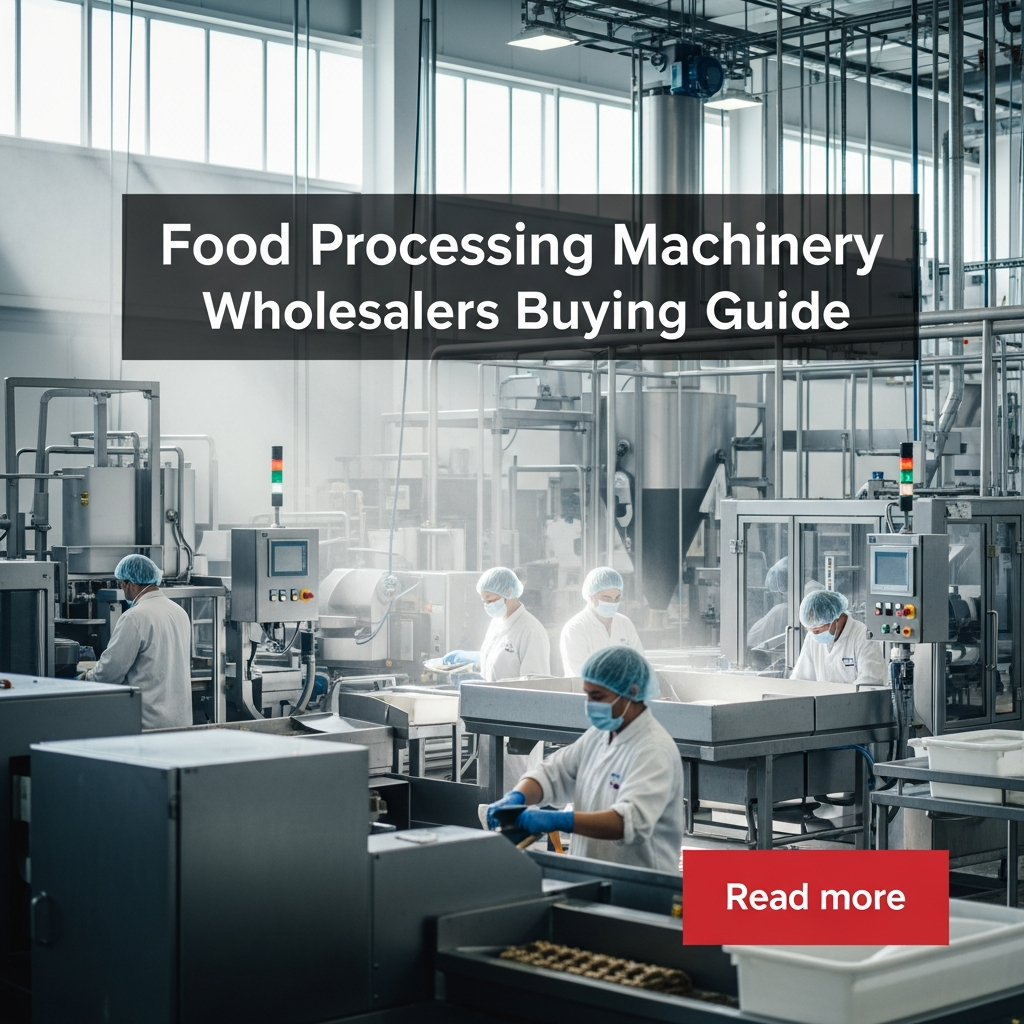
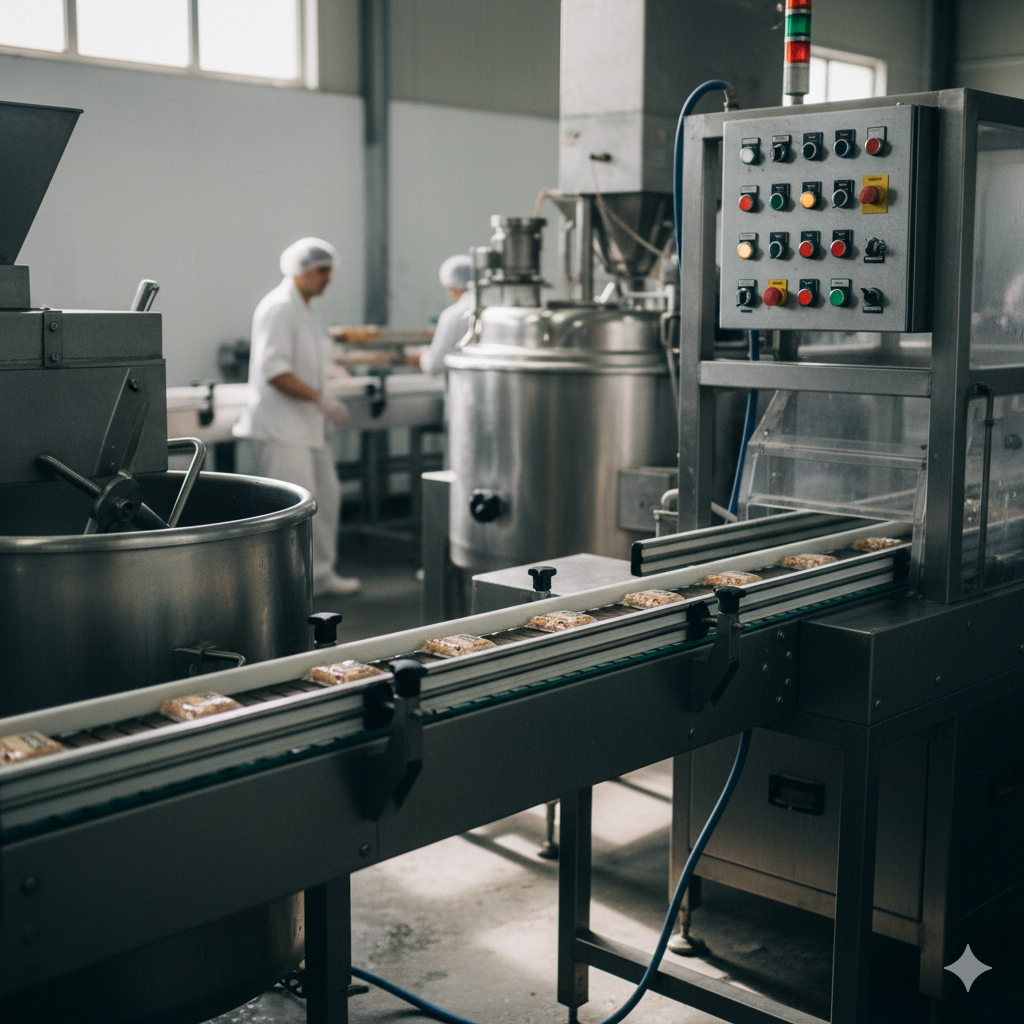
Food Processing Machinery Wholesalers Buying Guide

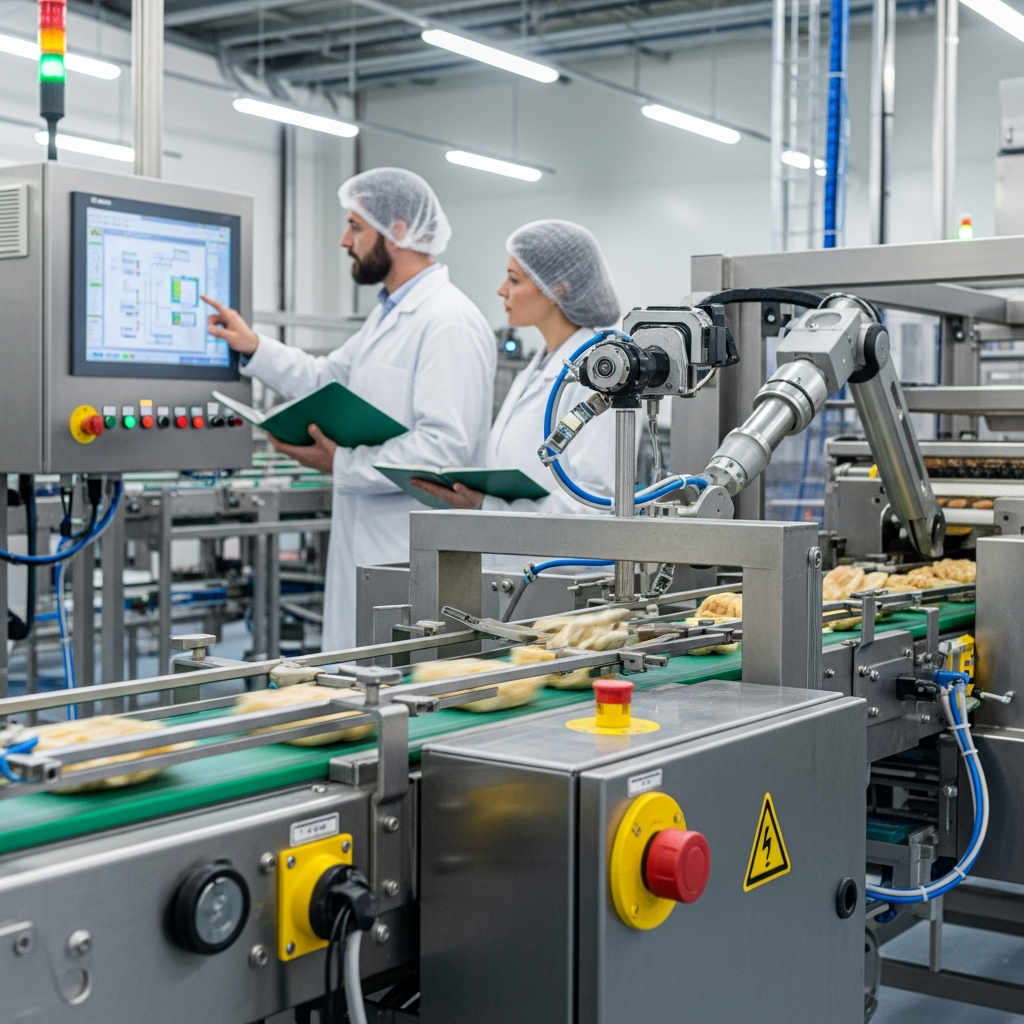
One wrong machinery decision can slow production, increase waste, and impact food quality. That is why choosing the right food processing machinery wholesalers is a critical business decision, not just a routine purchase.

Food processing machinery wholesalers support manufacturers, processors, and exporters by supplying equipment that directly affects efficiency, hygiene, and output consistency. From washing and sorting systems to mixers, dryers, and packaging machines, every choice matters.

Many buyers face challenges like unclear pricing, delayed deliveries, limited service support, or machines that fail to meet food safety norms. 

This buying guide is designed to help you avoid those risks. It explains how to evaluate wholesalers, assess machinery quality, and make confident sourcing decisions that support long-term growth.

Understanding the Role of Food Processing Machinery Wholesalers

Food processing machinery wholesalers act as intermediaries between equipment manufacturers and food businesses. They source machines in bulk and distribute them across regions and industries.

Their role includes more than just selling machines. Reliable wholesalers help buyers select equipment based on food type, capacity, and compliance needs.

Key responsibilities include

• Supplying certified and tested machinery

• Managing inventory and logistics

• Offering technical guidance

• Supporting installation and maintenance

Choosing the right wholesaler reduces operational risk and improves production reliability.

Types of Food Processing Machinery Commonly Supplied

Food processing machinery wholesalers usually deal with a broad range of equipment.

Primary Processing Equipment

Used for initial food handling

• Washing and cleaning machines

• Sorting and grading systems

• Peeling and cutting units

Secondary Processing Equipment

Used for transformation and processing

• Mixers and blenders

• Cooking and frying systems

• Drying and dehydration machines

Packaging and Handling Equipment

Supports hygiene and shelf life

• Conveyors

• Filling and sealing machines

• Labeling systems

Knowing your exact requirement helps shortlist the right wholesaler quickly.

Key Factors to Evaluate Before Choosing a Wholesaler

Product Quality and Certifications

Food safety starts with equipment quality. Machinery must meet hygiene and material standards to ensure safe processing.

Look for

• Food grade stainless steel construction

• ISO or CE certification

• Compliance with local food safety regulations

Avoid suppliers who cannot provide documentation or test reports.

Industry Experience and Market Presence

Experienced food processing machinery wholesalers understand operational challenges better. According to Statista, experienced industrial suppliers show higher customer retention due to reliability and service consistency.

Evaluate

• Years of operation

• Client industries served

• Market reputation

Experience often translates into smoother execution.

Pricing Transparency and Value

Low pricing alone can be misleading. According to McKinsey, unplanned equipment downtime costs manufacturers far more than initial savings.

Check for

• Clear pricing structure

• Warranty coverage

• Spare parts availability

Transparent pricing reflects long-term value, not just short-term savings.

Importance of After-Sales Support

After-sales service plays a major role in machine performance and lifespan. Harvard Business Review highlights that strong service support reduces downtime and improves operational continuity.

Ask about

• Installation support

• Preventive maintenance

• Technical assistance response time

• Availability of trained service staff

Good support protects your investment.

Evaluating Supply Chain and Delivery Capabilities

Delayed machinery delivery can disrupt production schedules. According to Economic Times, logistics inefficiencies remain a major challenge for industrial buyers. 

Assess

• Inventory readiness

• Delivery timelines

• Packaging and transport safety

Wholesalers with strong logistics planning reduce project delays.

Comparing Local vs International Wholesalers

Both sourcing options offer benefits.

Local Wholesalers

• Faster service response

• Easier communication

• Better understanding of local compliance

International Wholesalers

• Advanced technology options

• Wider product selection

• Competitive bulk pricing

Choose based on service needs and technical requirements.

How Digital B2B Platforms Simplify Sourcing

Modern buyers prefer transparent and faster sourcing methods. Digital B2B platforms allow buyers to compare food processing machinery wholesalers, review supplier profiles, and connect directly with verified sellers.

This approach reduces sourcing time, improves transparency, and supports informed decision making throughout the buyer journey.

How Pepagora Empowers Smart Machinery Buyers

Pepagora helps buyers discover verified food processing machinery wholesalers, manufacturers, and exporters through a trusted B2B marketplace.

With Pepagora, buyers can

• Access verified supplier profiles

• Compare machinery options across categories

• Connect directly with decision makers

• Reduce sourcing and negotiation time

This aligns with current industry trends where buyers value speed, trust, and clarity.

To know about 15 Proven strategies to attract real buyers read this article.

Proven Tip for Buying Food Processing Machinery

Always ask for a live demonstration or performance video before placing bulk orders. This helps validate output quality, ease of operation, and build standards before finalizing the purchase.

Choosing the right food processing machinery wholesalers directly impacts productivity, food safety, and long-term profitability. A structured evaluation process helps reduce risks and ensures smoother operations.

Focus on certifications, service support, delivery reliability, and supplier credibility. Use modern sourcing methods to compare options efficiently.

Join B2B Growth Ecosystem and source reliable food processing machinery with confidence.

Food Processing Machinery Wholesalers Buying Guide

FAQs: Food Processing Machinery Wholesalers Buying Guide

1. How do I verify a food processing machinery wholesaler?

Check certifications, business registration, service capability, and client references.

2. Is buying from wholesalers better than manufacturers?

Wholesalers offer variety and faster access, while manufacturers offer customization. Choose based on project needs.

3. What certifications should food processing machinery have?

ISO, CE, and food grade material compliance are essential.

4. Can online platforms be trusted for machinery sourcing?

Yes, when suppliers are verified and business information is transparent.

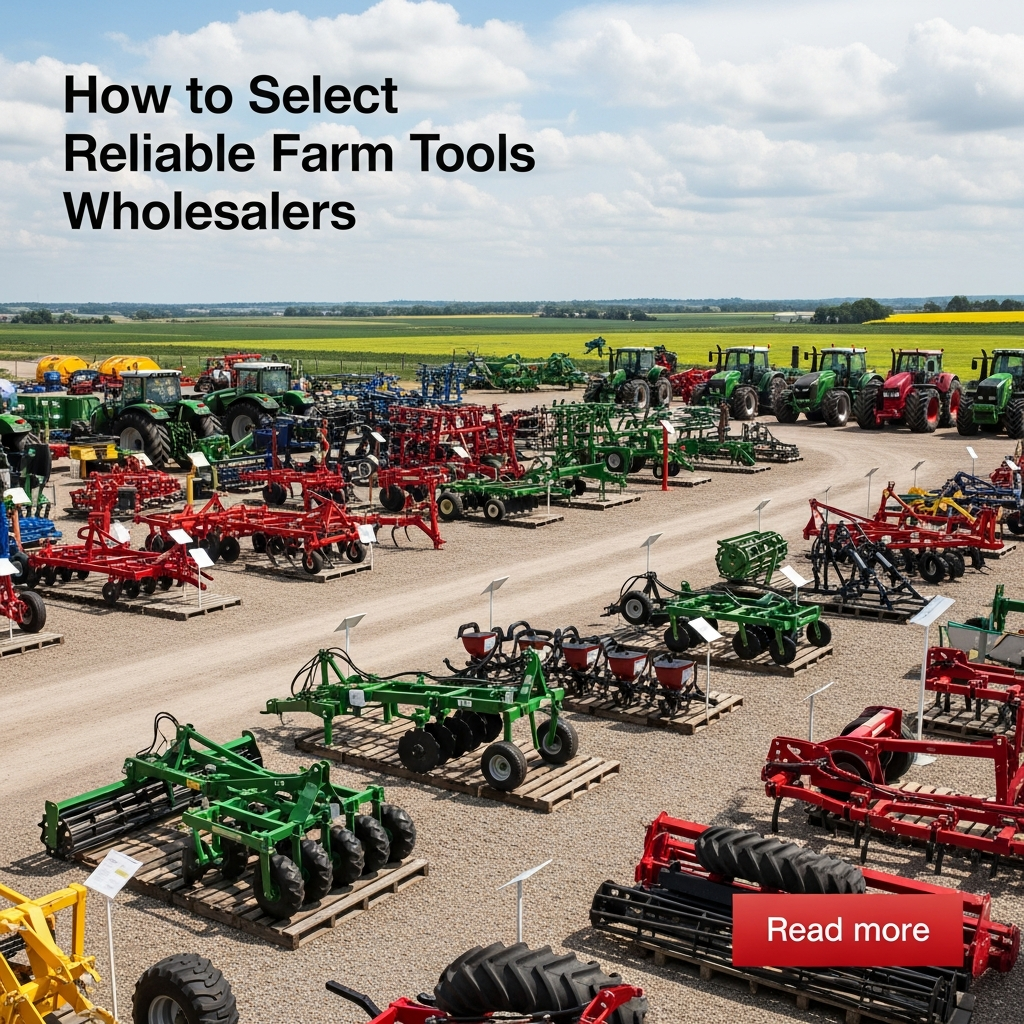
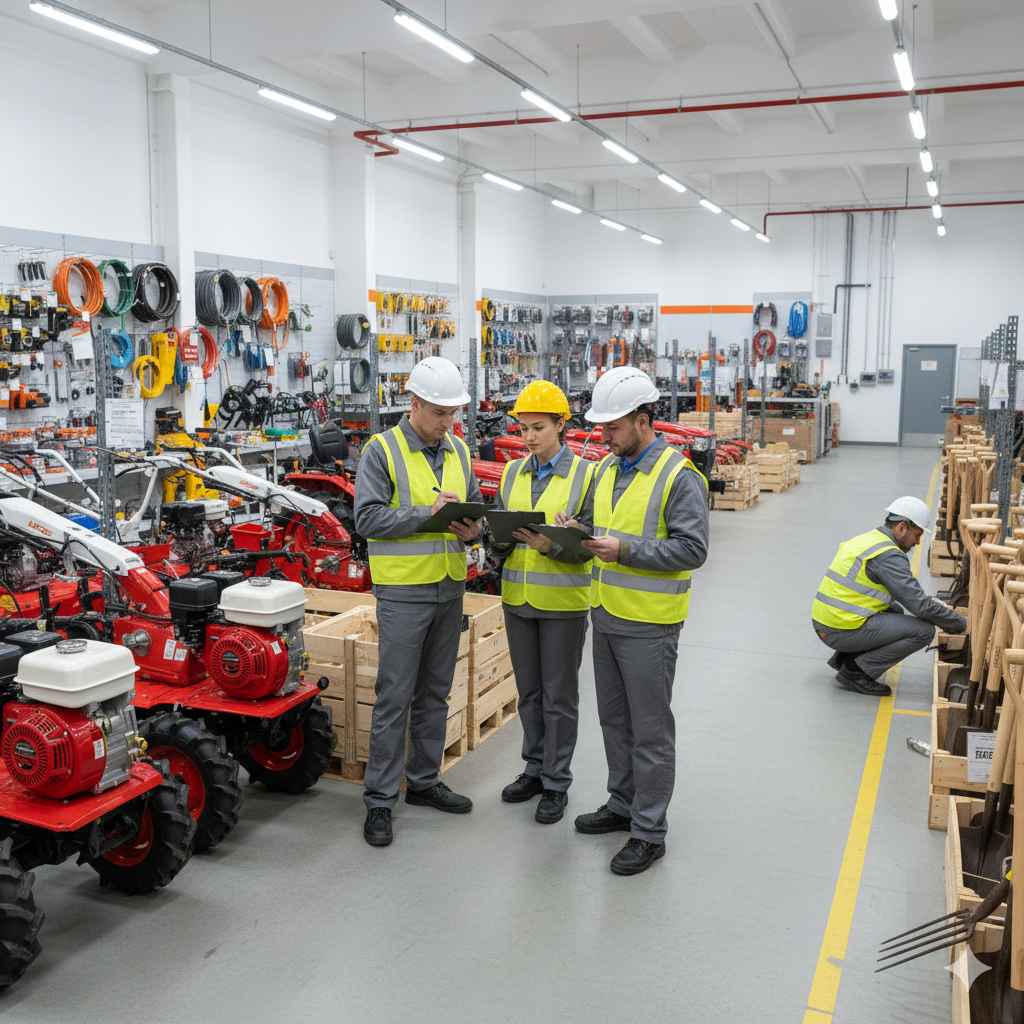
A single equipment delay can disrupt an entire farming season. Many buyers realize this only after working with unreliable suppliers. Choosing the right farm machinery and tools wholesalers is no longer just a purchasing decision. It directly impacts productivity, crop timelines, and long term profitability.

Agriculture is becoming more equipment driven. From small scale farms to commercial growers, dependable tools and machinery determine efficiency on the field. When wholesalers fail to deliver consistent quality or timely supply, farmers bear the cost.

This article explains how to evaluate farm machinery and tools wholesalers with clarity and confidence. You will learn what separates reliable wholesalers from risky ones, how to assess quality and supply capacity, and what data says about sourcing trends. We also cover common buyer mistakes and how digital B2B platforms simplify wholesaler selection.

Why Choosing the Right Farm Machinery and Tools Wholesalers Matters

Agricultural tools are not impulse purchases. They are long term investments.

According to the Economic Times, mechanization has become a critical growth driver in agriculture as labor availability declines and operational costs rise. This shift has increased dependence on wholesalers who can provide steady access to equipment.

Reliable farm machinery and tools wholesalers help buyers achieve:

• Consistent equipment availability

• Predictable pricing

• After sales support

• Reduced downtime during peak seasons

Unreliable suppliers do the opposite.

Key Qualities of Reliable Farm Machinery and Tools Wholesalers

Product Quality and Certification Standards

Quality should always be the first checkpoint.

Trusted wholesalers work with manufacturers who meet national and international quality benchmarks. Buyers should request documentation related to durability standards and material sourcing.

According to Forbes, equipment failures in agriculture often stem from poor material quality rather than misuse. This makes supplier verification essential.

Range of Equipment and Tool Categories

A dependable wholesaler offers more than a limited catalog.

Look for wholesalers supplying:

• Hand tools for daily operations

• Mechanized equipment for efficiency

• Seasonal machinery aligned with crop cycles

A wide range indicates strong manufacturer relationships and operational stability.

Evaluating Supply Consistency and Inventory Strength

Ability to Meet Seasonal Demand

Agricultural demand is seasonal and predictable. Reliable farm machinery and tools wholesalers plan inventory accordingly.

Ask wholesalers about:

• Peak season stock planning

• Back order handling

• Emergency fulfillment capacity

Wholesalers who fail here often cause costly operational delays.

Lead Time Transparency

Clear communication about lead times reflects professionalism.

According to McKinsey, supply chain transparency improves buyer trust and reduces procurement risks by over 30 percent across industrial sectors.

Pricing Structure and Commercial Transparency

Understanding Wholesale Pricing Models

Low prices may look attractive but often hide quality compromises.Evaluate pricing based on:

• Equipment durability

• Warranty terms

• Spare parts availability

The best farm machinery and tools wholesalers explain pricing openly and align it with long term value.

Importance of After Sales Support and Service

Equipment does not end at delivery.

Reliable wholesalers support buyers with:

• Installation guidance

• Maintenance recommendations

• Spare parts sourcing

Harvard Business Review notes that buyers increasingly value supplier support as much as product quality in B2B purchasing decisions.

Digital Verification and Supplier Credibility

Online Presence and Verified Listings

In today’s market, credible wholesalers maintain transparent digital profiles.

Buyers should check:

• Verified business listings

• Product catalogs

• Customer reviews and ratings

Platforms offering verified supplier listings reduce sourcing risks significantly.

Using Trusted Industry Resources for Market Insight

According to Statista, global agricultural equipment demand continues to grow steadily due to increased food consumption and mechanization trends. This growth has attracted many new wholesalers, not all of whom meet reliability standards.

Using trusted resources like industry reports and verified marketplaces helps buyers avoid unreliable intermediaries.

Common Mistakes Buyers Make When Choosing Wholesalers

Many buyers repeat the same errors.

• Selecting wholesalers based only on price

• Ignoring warranty terms

• Overlooking inventory capacity

• Skipping sample or demo checks

Avoiding these mistakes improves sourcing outcomes immediately.

Building Long Term Relationships With Wholesalers


The best buyers treat wholesalers as partners, not just vendors.Strong relationships result in:

• Priority supply during high demand

• Better commercial terms

• Early access to new equipment

According to Harvard Business Review, long term supplier partnerships improve procurement efficiency and cost control across industries.

How Pepagora Empowers Smarter Wholesaler Selection

Simplifying Access to Verified Farm Machinery and Tools Wholesalers

Pepagora connects buyers with verified farm machinery and tools wholesalers across regions and equipment categories.

Buyers benefit from:

• Transparent supplier profiles

• Multiple sourcing options

• Easy comparison of wholesalers

This structured approach saves time and reduces sourcing uncertainty.

Supporting Business Scale and Market Expansion

Pepagora enables businesses to move beyond local sourcing limits and discover wholesalers aligned with growth plans and volume requirements.

To know about 15 Proven strategies to attract real buyers read this article.

Proven Tip for Selecting the Right Wholesaler

Always test supplier reliability with a phased purchase approach.

Start with a smaller order to evaluate:

• Product consistency

• Delivery timelines

• Communication responsiveness

This practical step protects buyers before committing to larger volumes.

Selecting reliable farm machinery and tools wholesalers is a strategic decision that impacts productivity, cost control, and operational stability.

Focus on quality standards, inventory strength, transparent pricing, and service support. Avoid rushing decisions based on price alone. Wholesalers who demonstrate consistency and professionalism create long term value for agricultural businesses.

To simplify sourcing and reduce procurement risk, Join B2B Growth Ecosystem and connect with verified wholesalers built for modern agricultural needs.

Packaging Printing Services Exporters for Global Brands

FAQs: Packaging Printing Services Exporters for Global Brands

1. Why is choosing the right farm machinery and tools wholesalers important?

Reliable wholesalers ensure timely supply, consistent quality, and long term operational efficiency.

2. What certifications should wholesalers provide?

They should supply equipment sourced from manufacturers meeting recognized quality and safety standards.

3. Are online platforms reliable for finding wholesalers?

Yes. Verified B2B platforms reduce risk by providing transparent supplier profiles and business verification.

4. How can I compare multiple wholesalers efficiently?

Use digital marketplaces like Pepagora to evaluate pricing, product range, and supplier credibility in one place.

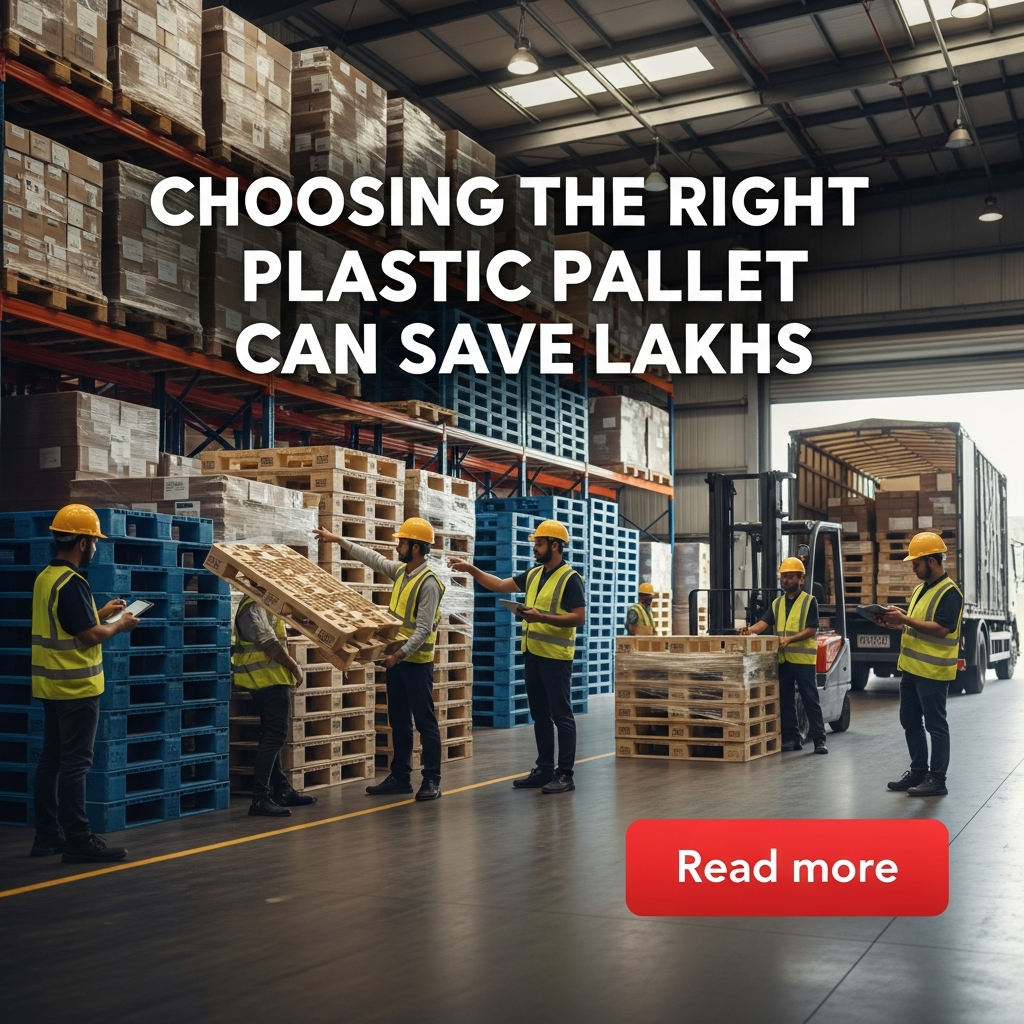
Did you know that pallet related inefficiencies can increase warehouse handling costs by more than twenty percent when the wrong material is used. For many logistics and manufacturing teams, pallets are treated as a small detail. In reality, they directly affect storage safety, hygiene, transport costs, and long term efficiency.

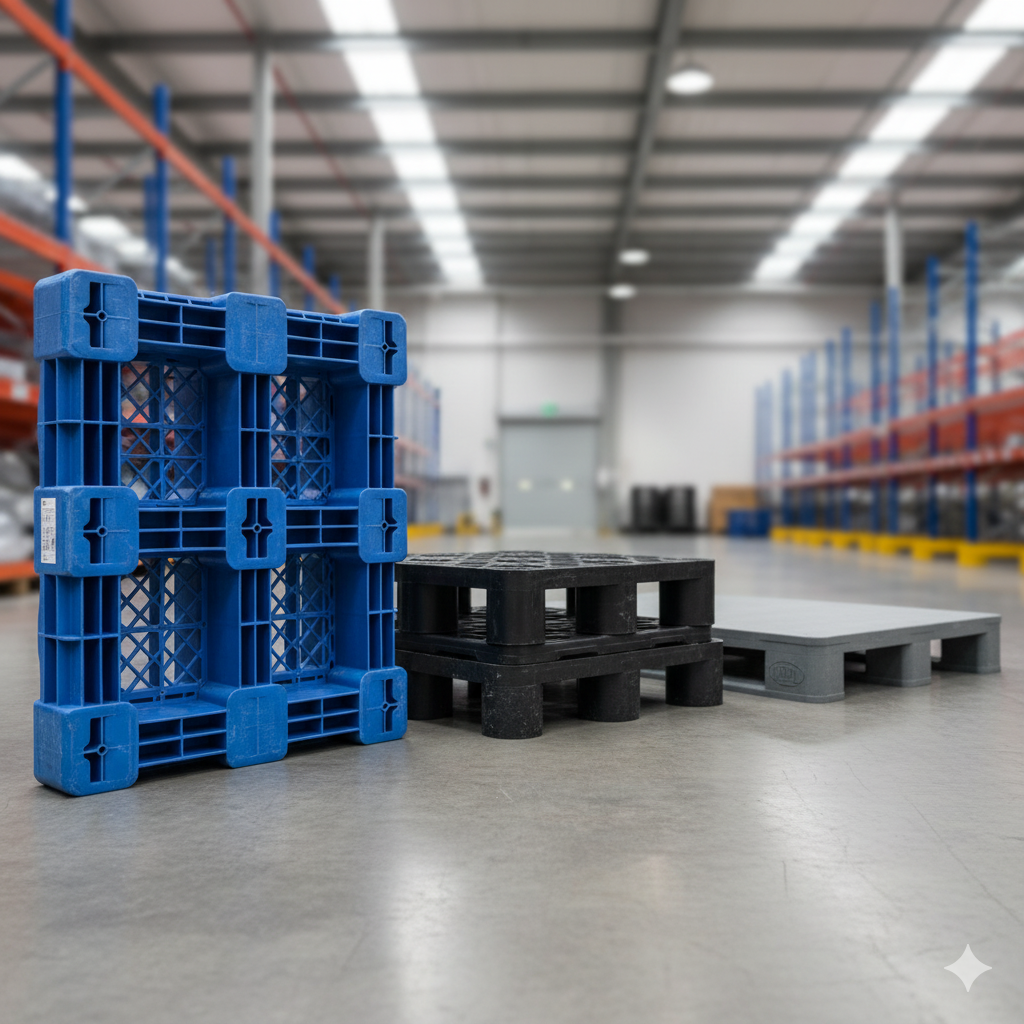
Industrial Plastic Pallets Wholesalers play a critical role in bulk supply chains today. Choosing the right pallet is no longer just about price. It is about durability, compliance, sustainability, and compatibility with modern automation.

 Industrial Plastic Pallets Wholesalers now serve sectors like FMCG, pharmaceuticals, chemicals, and exports where quality standards are strict.

This article explains how to choose the right industrial plastic pallets for bulk use. You will learn about pallet types, load capacity, hygiene standards, cost factors, and how to evaluate Industrial Plastic Pallets Wholesalers. 

We will also cover current industry data, practical buying tips, and how platforms like Pepagora simplify sourcing.

Why Industrial Plastic Pallets Matter in Bulk Operations

Industrial Plastic Pallets Wholesalers support businesses that move high volumes daily. A poor pallet choice can lead to damaged goods, rejected shipments, and safety risks.

Key reasons plastic pallets dominate bulk use today include

  • Consistent weight and size across batches
  • High resistance to moisture and chemicals
  • Longer service life compared to wooden pallets
  • Easier cleaning for regulated industries

According to Statista, the global pallet market is projected to cross ten billion dollars by twenty twenty seven, with plastic pallets showing faster growth due to hygiene and export demand.

Types of Industrial Plastic Pallets Offered by Wholesalers

One Piece Molded Plastic Pallets

These pallets are manufactured as a single unit. Industrial Plastic Pallets Wholesalers often recommend them for high volume repetitive movement.

Best suited for

  • FMCG distribution
  • Retail warehousing
  • Closed loop supply chains

Advantages include easy cleaning and high impact resistance.

Rackable Plastic Pallets

Rackable pallets are designed to sit safely on storage racks. Industrial Plastic Pallets Wholesalers supply these to warehouses using vertical storage systems.

Key benefits

  • High load bearing capacity
  • Minimal sagging under weight
  • Suitable for automated storage systems

Nestable Plastic Pallets

Nestable pallets reduce storage space when empty. Industrial Plastic Pallets Wholesalers often suggest them for export oriented businesses.

Ideal for

  • One way shipments
  • Export logistics
  • Space constrained warehouses

How to Evaluate Load Capacity and Durability

Industrial Plastic Pallets Wholesalers classify pallets based on three load types

  • Static load for stationary storage
  • Dynamic load for movement using forklifts
  • Racking load for elevated storage

Always ask Industrial Plastic Pallets Wholesalers for load test certifications. According to Forbes, load failure during handling accounts for a major share of warehouse damage and insurance claims.Material composition also matters. High density polyethylene and polypropylene are commonly used for industrial grade pallets due to strength and chemical resistance.

Hygiene and Compliance Standards You Should Not Ignore

Industrial Plastic Pallets Wholesalers serving regulated industries must meet hygiene and safety norms.

Plastic pallets are preferred because

  • They do not absorb moisture
  • They resist bacteria and mold
  • They are easy to sanitize

Harvard Business Review highlights that hygienic material handling significantly reduces contamination risk in food and pharmaceutical supply chains.

If you export goods, always confirm international compliance and pallet certification requirements with Industrial Plastic Pallets Wholesalers.

Cost Considerations When Buying in Bulk

Price should never be the only deciding factor when working with Industrial Plastic Pallets Wholesalers. Consider total cost of ownership

  • Initial purchase cost
  • Average lifespan
  • Repair or replacement frequency
  • Loss and theft rates

According to McKinsey, reusable plastic pallets can reduce long term logistics costs by up to fifteen percent in closed loop systems, making them cost effective over time.

Bulk buyers should negotiate volume pricing, warranty coverage, and replacement policies with Industrial Plastic Pallets Wholesalers.

Choosing the Right Industrial Plastic Pallets Wholesalers

Selecting reliable Industrial Plastic Pallets Wholesalers requires more than browsing a catalog.

Look for wholesalers who offer

  • Verified manufacturing standards
  • Consistent bulk supply capacity
  • Transparent pricing models
  • Clear quality assurance processes

Strong supplier relationships reduce procurement risk and ensure uninterrupted supply during peak demand periods.

Sustainability and Recycling Trends in Plastic Pallets

Industrial Plastic Pallets Wholesalers are increasingly aligning with sustainability goals.

Modern pallets are

  • Manufactured using recycled plastic
  • Fully recyclable after end of life
  • Designed for extended reuse cycles

The Economic Times reports that Indian manufacturers are rapidly adopting recyclable logistics materials to meet ESG and export compliance standards.

If sustainability reporting matters to your business, ask Industrial Plastic Pallets Wholesalers about recycled content ratios and take back programs.

Common Mistakes Buyers Make When Selecting Plastic Pallets

Avoid these frequent errors

  • Ignoring detailed load ratings
  • Selecting pallets incompatible with forklifts or pallet jacks
  • Overlooking rack compatibility
  • Buying without planning for future scale

Industrial Plastic Pallets Wholesalers often see pallets replaced prematurely due to incorrect specifications rather than quality issues.

How Pepagora Empowers Smarter Pallet Sourcing

Pepagora connects buyers directly with verified Industrial Plastic Pallets Wholesalers across India and international markets. Instead of managing multiple supplier conversations, businesses can evaluate specifications, pricing, and supply capability in one place.Key advantages include

  • Access to verified Industrial Plastic Pallets Wholesalers
  • Transparent product listings with technical details
  • Direct communication with suppliers
  • Faster sourcing decisions for bulk procurement

For manufacturers and wholesalers, Pepagora improves visibility among serious buyers actively searching for industrial solutions.

Proven Tip for Bulk Buyers

Always request a sample pallet before placing a large bulk order. Testing a pallet in real warehouse conditions reveals handling challenges, racking behavior, and durability issues that product catalogs cannot show. This step alone prevents costly replacement mistakes.

To know about 15 Proven strategies to attract real buyers read this article.

Choosing industrial pallets is a strategic logistics decision, not a routine purchase. Industrial Plastic Pallets Wholesalers offer many options, but the right choice depends on load requirements, hygiene standards, storage systems, and long term cost efficiency.

Businesses that evaluate pallets carefully and partner with reliable wholesalers gain smoother operations and fewer disruptions. As supply chains become more complex, smart pallet selection becomes a competitive advantage.

Join B2B Growth Ecosystem and source reliable industrial plastic pallets with confidence.

FAQs: Choosing Industrial Plastic Pallets for Bulk Use

1. Why are plastic pallets preferred for bulk industrial use?

Plastic pallets last longer, resist moisture, and offer consistent quality. Industrial Plastic Pallets Wholesalers recommend them for hygiene sensitive and export driven industries.

2. What is the average lifespan of industrial plastic pallets?

Pallets from trusted Industrial Plastic Pallets Wholesalers typically last five to ten years depending on usage and load conditions.

3. Are plastic pallets suitable for international shipping?

Yes. Industrial Plastic Pallets Wholesalers supply pallets that meet export norms and eliminate the need for fumigation.

4. Can plastic pallets be recycled?

Most industrial pallets are fully recyclable and often manufactured using recycled materials.

Instant Food Manufacturers Buyer Selection Guide

The instant food category has become a daily essential rather than a convenience. From ready to eat meals to instant noodles and mixes, buyers today face one major challenge. 

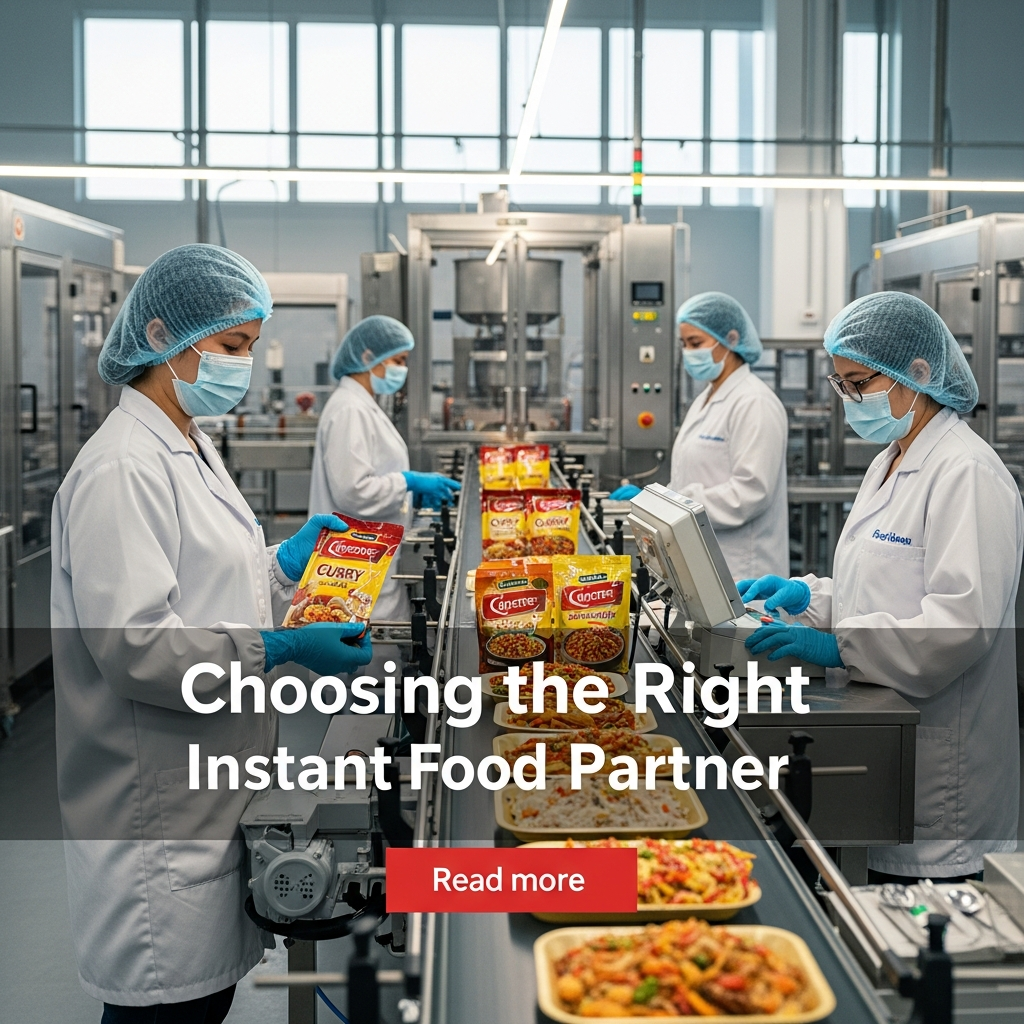
Choosing the right instant food manufacturers who can consistently deliver quality, safety, and scale.Instant food manufacturers play a critical role in meeting growing demand from retailers, distributors, and export markets.

 A single sourcing mistake can lead to product recalls, compliance issues, or damaged brand trust. That is why selection has become more strategic than ever.

This guide is written for food buyers, private label owners, distributors, and sourcing managers. It explains how to evaluate instant food manufacturers, what certifications matter, how to assess production capability, and how to reduce risk during supplier selection. 

If you want reliable supply without compromising on taste or safety, this guide will help you make informed decisions.

Understanding the Instant Food Manufacturing Landscape

What Defines Instant Food Manufacturing

Instant food manufacturing involves producing food products that require minimal preparation before consumption. These products are designed for speed, consistency, and shelf stability.

Common product categories include:

  • Instant noodles and pasta
  • Ready to eat meals and curries
  • Instant mixes for breakfast or snacks
  • Dehydrated soups and gravies
  • Frozen or retort processed foods

Each category requires different processing technologies, quality controls, and packaging standards.

Why Choosing the Right Instant Food Manufacturers Matters

Food buyers today operate in a high trust environment. Consumers expect consistent taste, safety, and transparency across batches.

When the wrong manufacturer is selected, buyers often face challenges such as delayed deliveries, inconsistent quality, or regulatory non compliance.

The most common risks include:

  • Variation in taste and texture across batches
  • Shorter shelf life than promised
  • Inadequate food safety practices
  • Packaging failures during transport

According to Harvard Business Review, supply chain disruptions and quality failures significantly increase long term brand risk in food businesses. This makes supplier evaluation a critical business function.

Key Types of Instant Food Manufacturers

Contract Manufacturers

Contract manufacturers produce food products under a buyer’s brand name. They follow buyer specifications and formulations.

They are commonly chosen by:

  • Private label brands
  • Retail chains
  • Startup food companies

Contract manufacturing reduces capital investment but requires strict quality oversight.

Branded Manufacturers with Private Label Capabilities

Some established instant food manufacturers offer private label services alongside their own brands.

These manufacturers are preferred because they offer:

  • Proven production systems
  • Existing compliance frameworks
  • Scalable infrastructure

However, buyers must ensure confidentiality and formulation protection.

Essential Certifications to Verify

Food safety compliance is non negotiable when sourcing instant food products. Certifications act as the first screening layer.Before shortlisting any manufacturer, buyers should confirm certifications and regulatory approvals.

The most important certifications include:

  • FSSAI compliance for Indian market
  • ISO 22000 food safety management
  • HACCP based process controls
  • BRC or IFS for export markets

According to Economic Times, regulatory scrutiny in the packaged food sector has increased due to rising consumer awareness. Certified manufacturers reduce compliance risk significantly.

Evaluating Manufacturing Capability and Scale

Production Capacity and Flexibility

Production capacity must align with your growth plans, not just current demand.

Buyers should understand whether the manufacturer can scale without affecting quality or timelines.

Key aspects to review include:

  • Daily and monthly production capacity
  • Ability to handle seasonal demand spikes
  • Flexibility for batch size variations

Manufacturers who overcommit capacity often struggle with delivery consistency.

Ingredient Sourcing and Traceability

Ingredient quality directly affects taste, nutrition, and shelf life.

Reliable instant food manufacturers maintain traceability from raw material sourcing to finished goods.

Buyers should look for:

  • Approved supplier lists for ingredients
  • Batch level traceability systems
  • Clear allergen control processes

According to Forbes, transparent sourcing practices increase buyer confidence and reduce recall risks in packaged foods.

Packaging and Shelf Life Considerations

Packaging plays a major role in preserving freshness and product integrity. It also affects logistics efficiency and consumer perception.

Before finalizing a supplier, buyers must understand packaging capabilities and shelf life validation.

Important areas to assess include:

  • Type of packaging materials used
  • Barrier properties against moisture and oxygen
  • Shelf life testing and validation reports

Poor packaging often leads to leakage, spoilage, and customer complaints.

Cost Structure and Pricing Transparency

Pricing should be evaluated beyond per unit cost. Hidden costs often appear later in logistics, storage, or quality rejections.

Smart buyers ask for complete cost clarity before onboarding manufacturers.

Cost elements to evaluate include:

  • Raw material price volatility
  • Packaging and labeling charges
  • Quality inspection and compliance costs

McKinsey notes that transparent cost structures improve long term supplier relationships and reduce disputes.

Market Trends Shaping Instant Food Manufacturing

Consumer demand is shifting toward healthier, cleaner label instant foods. Buyers increasingly prefer manufacturers who can adapt formulations without compromising shelf life.

According to Statista, the global instant and convenience food market continues to grow steadily due to urbanization and changing lifestyles. This growth is pushing manufacturers to invest in automation and better quality controls.

External resource for market data: Statista Convenience Food Market Insights

Digital Sourcing and Supplier Discovery

Traditional sourcing methods are being replaced by digital discovery and verification.

B2B platforms allow buyers to compare multiple instant food manufacturers, review credentials, and initiate discussions faster.

When sourcing digitally, buyers should focus on:

  • Verified business profiles
  • Product clarity and documentation
  • Transparent communication channels

Platforms that simplify supplier discovery reduce sourcing timelines and operational risk.

How Pepagora Empowers Smarter Food Sourcing

Selecting instant food manufacturers becomes easier when buyers have access to verified suppliers and structured information. Pepagora empowers buyers by bringing manufacturers, exporters, and suppliers onto a single discovery platform.

With organized listings and business verification, buyers can:

  • Identify suitable manufacturers faster
  • Compare capabilities across suppliers
  • Reduce manual vetting efforts

This approach supports modern sourcing strategies where speed and trust matter equally.

Proven Tip for Buyers

Before finalizing any long term agreement, conduct a pilot order and market test. Real world feedback on taste, shelf life, and packaging performance provides insights that lab reports cannot fully capture. This step helps avoid costly mistakes after scale up.

To know about 15 Proven strategies to attract real buyers read this article. 

Selecting the right instant food manufacturers is a strategic decision that affects brand reputation, compliance, and long term profitability. Buyers who invest time in evaluating certifications, production capability, and sourcing transparency build stronger supply chains.

As the instant food market continues to expand, working with reliable manufacturers becomes a competitive advantage. A structured selection process, supported by verified sourcing platforms, helps buyers stay ahead in a demanding market.

Join B2B Growth Ecosystem and source reliable instant food manufacturing partners with confidence.

Instant Food Manufacturers

FAQs: Instant Food Manufacturers Buyer Selection Guide

1. What products do instant food manufacturers typically produce

They produce ready to eat meals, instant noodles, mixes, soups, frozen foods, and dehydrated products.

2. How can buyers verify manufacturer reliability

Buyers should review certifications, conduct factory audits, and start with pilot orders.

3. Are private label instant food manufacturers reliable

Yes, if they follow strong quality systems and allow transparency in production processes.

4. What is the biggest risk when sourcing instant foods

Inconsistent quality and compliance failures are the most common risks without proper supplier evaluation.

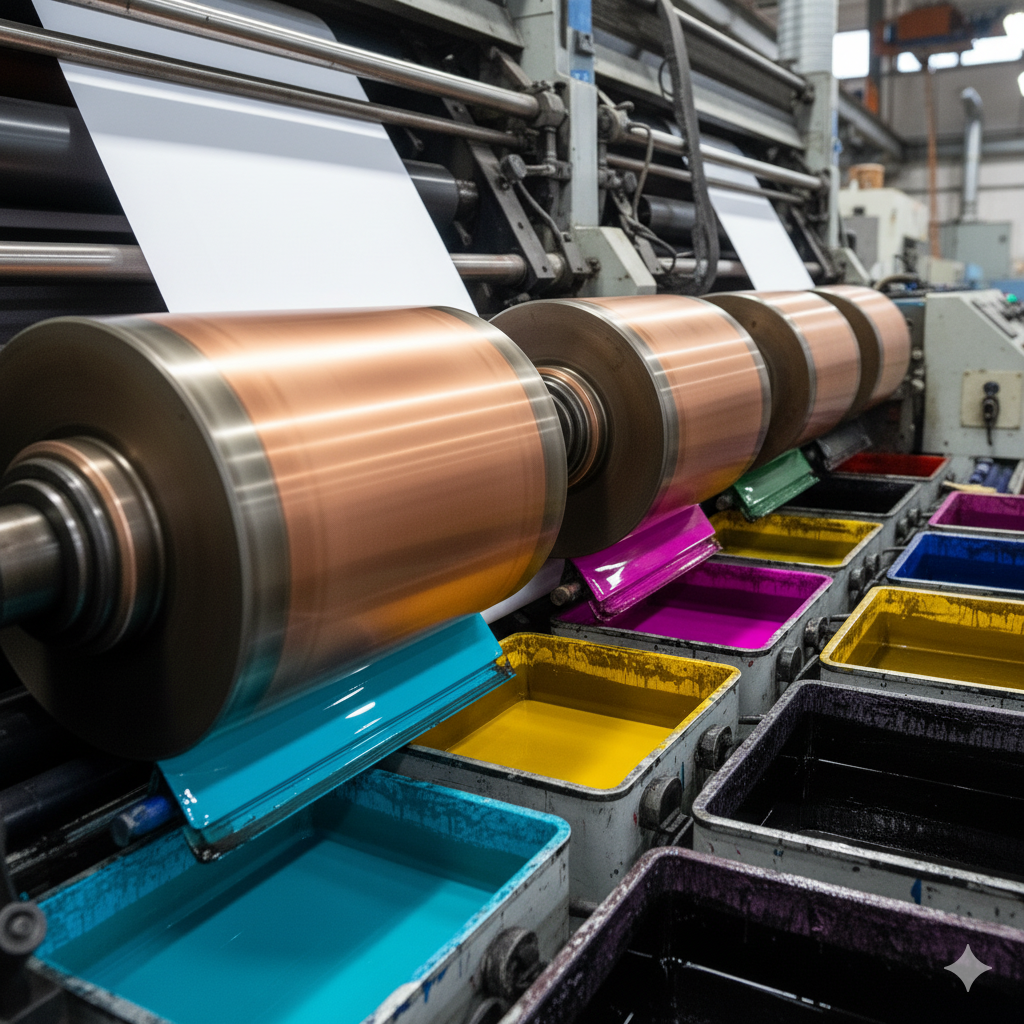
Choosing the wrong printing machine can lock a packaging business into years of quality issues and high operating costs. That is why buyers actively research Eight Color Rotogravure Printing Machine Suppliers before making an investment decision. 

An eight color rotogravure printing machine is not just equipment. It is the backbone of high volume packaging production.

The demand for premium packaging has increased across food, FMCG, pharmaceuticals, and consumer goods. Buyers now expect sharper graphics, consistent color accuracy, and faster turnaround times. This pressure makes the choice of machine and supplier more critical than ever.

In this buying guide, we explain what an eight color rotogravure printing machine is, why industries rely on it, key factors to evaluate before purchase, and how buyers can reduce sourcing risks. This guide is written for plant heads, procurement managers, and packaging entrepreneurs who want clarity before investing.

What Is an Eight Color Rotogravure Printing Machine

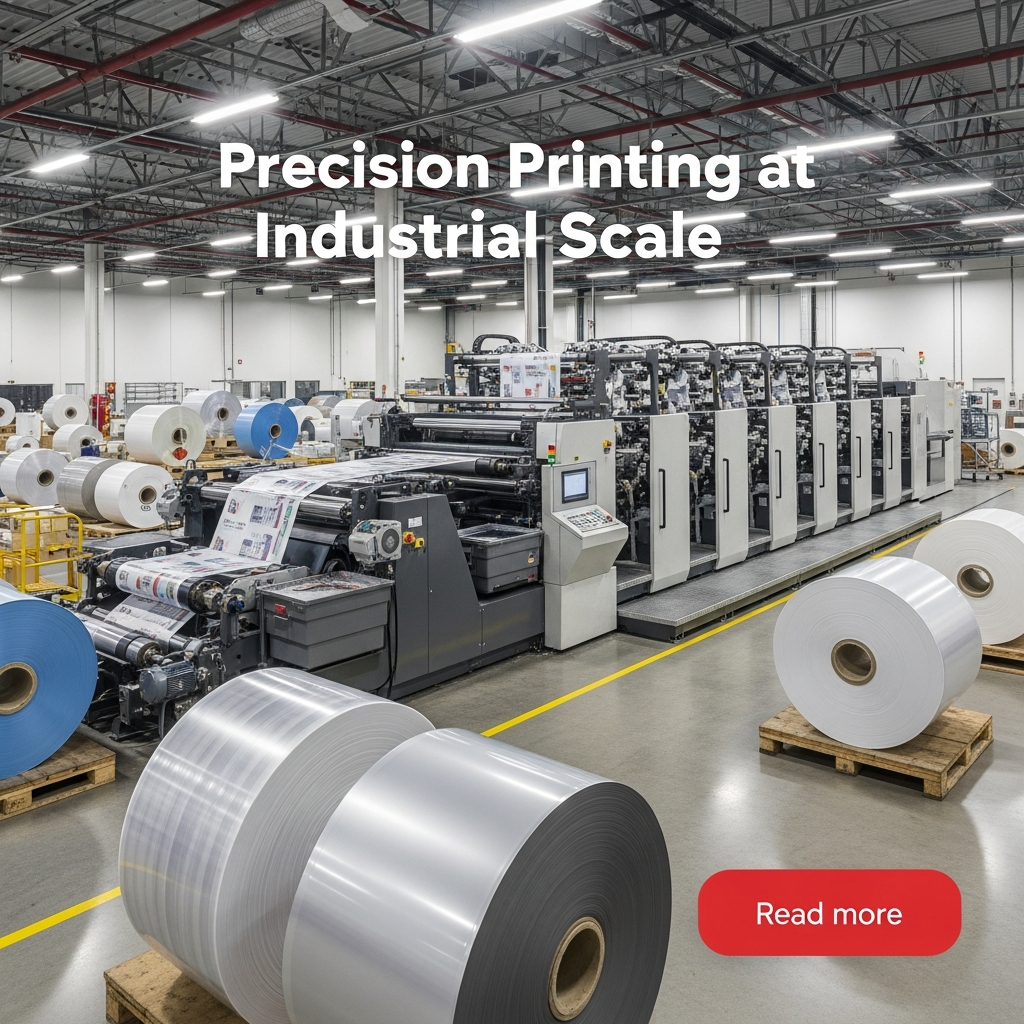
An eight color rotogravure printing machine is designed for high speed, high quality printing on flexible packaging materials. It allows printing up to eight colors in a single run with precise registration.

This type of machine is widely used for:

  • Food packaging films
  • Laminated pouches
  • Labels and wrappers
  • Pharmaceutical and cosmetic packaging

The ability to print multiple colors in one pass improves efficiency while maintaining visual consistency across large production volumes.

Why Industries Prefer Eight Color Rotogravure Printing

Superior Print Quality at Scale

Rotogravure printing is known for its sharp image reproduction and color depth. An eight color setup enables complex designs without sacrificing speed.

Key advantages include:

  • High resolution graphics
  • Smooth gradients and solid ink coverage
  • Consistent output over long runs

This makes it ideal for brands that demand premium shelf appeal.

Market Demand and Industry Data

According to Statista, the global flexible packaging market is projected to grow steadily due to rising demand from food and consumer goods sectors. High quality printing technologies play a critical role in this growth.

McKinsey reports that packaging quality directly influences consumer perception and purchasing decisions, especially in competitive retail environments.

These insights explain why manufacturers increasingly invest in advanced rotogravure printing systems.Source references:

  • Statista flexible packaging industry analysis
  • McKinsey packaging and consumer behavior insights

Key Factors to Consider Before Buying

Machine Speed and Output Capacity

Different businesses have different production goals. Machine speed directly impacts delivery timelines and profitability.

Before selecting from Eight Color Rotogravure Printing Machine Suppliers, evaluate:

  • Maximum printing speed
  • Substrate compatibility
  • Changeover time between jobs

A machine that matches your production volume avoids underutilization or overload.

Build Quality and Engineering

A printing machine operates continuously in industrial environments. Build quality determines lifespan and maintenance costs.Look for:

  • Rigid frame construction
  • Precision engraved cylinders
  • Reliable tension control systems

Well engineered machines deliver stable output and reduce downtime.

Automation and Control Systems

Ease of Operation Matters

Modern eight color machines use automated controls to reduce dependency on manual intervention. 

Key automation features include:

  • Digital tension control
  • Automatic registration adjustment
  • Centralized control panels

These features reduce operator errors and improve consistency across shifts.

Energy Efficiency and Operating Costs

Long Term Cost Evaluation

Initial price is only one part of the investment. Operating cost defines long term profitability.

Consider:

  • Power consumption per hour
  • Ink wastage control
  • Maintenance frequency

Energy efficient machines help businesses stay competitive as utility costs rise.

Choosing the Right Supplier

Why Supplier Capability Is Critical

The reliability of Eight Color Rotogravure Printing Machine Suppliers directly affects installation, training, and after sales support.

Evaluate suppliers based on:

  • Industry experience
  • Installation and commissioning support
  • Availability of spare parts

A strong supplier relationship ensures smooth operations beyond purchase.

How Pepagora Empowers Buyers

Pepagora, a B2B Growth Ecosystem  enables buyers to connect with verified industrial equipment suppliers through its B2B online Marketplace.Buyers benefit by:

  • Comparing multiple Eight Color Rotogravure Printing Machine Suppliers
  • Reviewing supplier profiles and capabilities
  • Reducing sourcing risks through verified listings

This structured approach saves time and improves purchase confidence without aggressive selling pressure.

Proven Tip for Buyers

Always Request Live Machine Demonstration before finalizing a supplier, insist on:

  • Live printing demonstration
  • Sample output verification
  • Performance under real production conditions

This single step helps avoid post installation disappointments and confirms machine capability.

An eight color rotogravure printing machine is a strategic investment for packaging manufacturers aiming for scale and quality. The right machine improves efficiency, reduces wastage, and strengthens brand presentation.

Success depends not only on machine specifications but also on choosing dependable Eight Color Rotogravure Printing Machine Suppliers who understand your production needs.

Join B2B Growth Ecosystem  to source reliable printing machinery with clarity and confidence.

FAQs: Eight Color Rotogravure Printing Machine Buying Guide

1. Who should invest in an eight color rotogravure printing machine

Businesses involved in flexible packaging, food packaging, labels, and high volume printed films benefit the most.

2. How is rotogravure different from flexographic printing?

Rotogravure offers superior print consistency for long runs, while flexographic printing is better for shorter runs.

3. What substrates can these machines print on?

They can print on plastic films, laminated materials, foil, and paper based packaging.

4. How long does installation usually take?

Installation timelines depend on machine size and automation level but typically range from a few weeks to a few months.

5. What after sales support should buyers expect?

Buyers should expect installation support, operator training, spare parts availability, and preventive maintenance guidance

Benefits of Buying From a Bulk Food Processing Equipment Supplier

Food manufacturers today face rising production costs, strict safety rules, and growing demand for consistent quality. One wrong equipment decision can slow operations and impact profitability. This is where choosing the right bulk food processing equipment supplier becomes critical.

According to industry experts, equipment efficiency directly impacts food safety, output quality, and long term operational costs. 

Businesses that rely on fragmented sourcing often struggle with compatibility issues, delayed servicing, and compliance risks.

Buying from a bulk food processing equipment supplier offers more than just machines. It provides access to tested systems, expert guidance, and scalable solutions designed for modern food production needs. 

Whether you operate a small processing unit or a large manufacturing facility, sourcing equipment in bulk ensures consistency and reliability.

In this article, you will learn the practical benefits of working with a bulk food processing equipment supplier, how it improves operational efficiency, reduces risks, and supports long term growth. We will also cover real data, expert insights, and a proven tip to help you make better sourcing decisions.

Why Choosing a Bulk Food Processing Equipment Supplier Matters

Consistency Across Production Lines

When equipment comes from multiple vendors, compatibility issues often arise. 

A bulk food processing equipment supplier ensures:

• Uniform design standards

• Smooth integration across machines

• Predictable performance across batches

This consistency improves product quality and reduces downtime.

Simplified Procurement Process

Sourcing equipment individually takes time and increases administrative costs. 

Bulk suppliers simplify the buying process by offering:

• Centralized sourcing

• Standardized documentation

• Faster approvals and delivery timelines

This is especially valuable for growing food processing businesses.

Cost Efficiency and Long Term Savings

Better Pricing Through Bulk Purchasing

Buying equipment in bulk often leads to negotiated pricing advantages. According to Economic Times, bulk procurement in manufacturing can reduce capital expenditure by up to 15 percent through volume discounts and bundled services.

Working with a bulk food processing equipment supplier helps businesses:

• Lower per unit equipment cost

• Reduce logistics expenses

• Minimize hidden installation costs

Reduced Maintenance and Repair Expenses

Equipment sourced from one supplier typically follows similar maintenance protocols. This reduces training costs and spare part inventory requirements.

As reported by Forbes, standardized equipment systems lower maintenance expenses by nearly 20 percent over five years in industrial operations.

Quality Assurance and Compliance Benefits

Equipment Built to Industry Standards

Food safety regulations are becoming stricter worldwide. A reliable bulk food processing equipment supplier ensures machines comply with:

• FSSAI guidelines

• ISO food safety standards

• HACCP compliance requirements

This minimizes the risk of penalties and production shutdowns.

Improved Food Safety Outcomes

According to Harvard Business Review, automated and standardized food processing equipment significantly reduces contamination risks by limiting manual handling.

Bulk suppliers often provide equipment with:

• Food grade materials

• Hygienic design

• Easy cleaning mechanisms

Access to Technical Expertise and Support

Professional Guidance During Selection

Choosing the wrong equipment can affect output quality. Bulk food processing equipment suppliers usually offer technical consultation to:

• Match equipment with production capacity

• Recommend automation levels

• Optimize workflow layout

This advisory support is rarely available when buying from multiple small vendors.

Reliable After Sales Service

Consistent service support is crucial for uninterrupted operations. Bulk suppliers typically offer:

• Scheduled maintenance programs

• Quick spare part availability

• Trained service technicians

According to McKinsey, proactive maintenance can reduce machine downtime by up to 30 percent in manufacturing facilities.

Scalability and Business Growth Advantages

Easy Expansion Planning

When businesses grow, adding new production lines becomes easier if existing equipment comes from a single supplier. 

Bulk food processing equipment suppliers ensure:

• Equipment compatibility during expansion

• Uniform training for staff

• Predictable performance benchmarks

Faster Time to Market

With streamlined procurement and installation, businesses can scale operations faster. This is crucial in industries with seasonal demand or product launches.

Statista reports that food manufacturers investing in integrated equipment systems achieve faster production ramp up compared to those using mixed sourcing strategies.

Improved Supply Chain Reliability

Reduced Vendor Dependency Risks

Managing multiple vendors increases risk exposure. A bulk supplier reduces complexity and ensures accountability.

Benefits include:

• Single point of contact

• Clear responsibility for delays or defects

• Better coordination across supply stages

Stable Spare Parts Availability

Bulk food processing equipment suppliers often maintain inventory for commonly used parts, reducing downtime during emergencies.

Technology Integration and Automation Benefits

Access to Modern Processing Technologies

Leading bulk suppliers invest in advanced equipment that supports:

• Automation

• Data driven production monitoring

• Energy efficient operations

According to Statista, automation adoption in food processing has increased by over 25 percent in the last decade due to efficiency gains.

Energy and Resource Efficiency

Modern equipment reduces water, power, and raw material wastage. This improves sustainability while lowering operational costs.

How Pepagora Empowers Food Equipment Buyers

Pepagora, a B2B Growth Ecosystem simplifies how businesses connect with verified food processing equipment suppliers. It enables buyers to explore multiple bulk food processing equipment suppliers in one place while comparing capabilities, certifications, and product ranges.

Key advantages include:

• Access to verified suppliers

• Transparent product listings

• Better supplier visibility for informed decisions

Pepagora supports businesses looking to source reliable equipment without navigating fragmented vendor networks.

Proven Tip for Smarter Equipment Buying

Always evaluate total ownership cost, not just purchase price.

This includes:

• Installation and setup expenses

• Maintenance and servicing costs

• Energy consumption over time

McKinsey emphasizes that total cost analysis helps manufacturers save significantly over equipment lifecycle rather than focusing only on upfront cost.

Choosing the right bulk food processing equipment supplier is a strategic business decision. It impacts cost efficiency, compliance, scalability, and product quality.

By sourcing equipment in bulk, businesses benefit from consistency, expert support, and long term savings. With growing regulatory and operational pressures, working with reliable suppliers is no longer optional.

If you are planning to upgrade or expand your food processing operations, take a structured approach to supplier selection.

Join B2B Growth Ecosystem to source reliable food processing equipment and scale your operations with confidence.

FAQs: Benefits of Buying From a Bulk Food Processing Equipment Supplier

1. What is a bulk food processing equipment supplier?

A bulk food processing equipment supplier provides multiple machines and systems under one sourcing agreement, ensuring compatibility and cost efficiency.

2. Is buying in bulk suitable for small food businesses?

Yes. Small and medium businesses benefit from standardized equipment, expert support, and long term savings.

3. How does bulk sourcing improve food safety?

Bulk suppliers offer compliant, hygienic equipment that meets food safety standards and reduces contamination risks.

4. What should I check before selecting a supplier?

Verify certifications, after sales support, spare parts availability, and compliance with food safety regulations.

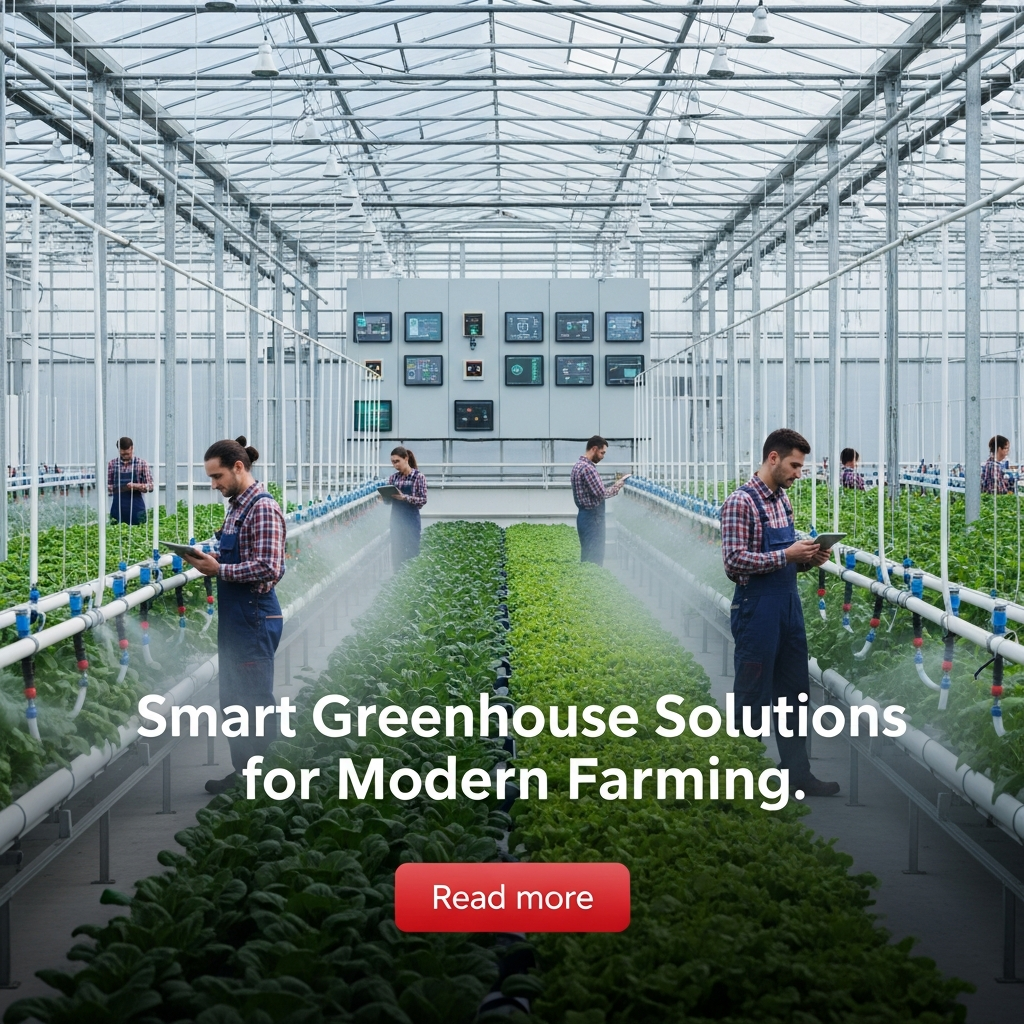
Modern farming is no longer driven by soil and seasons alone. Controlled environments now play a major role in food production across the world. 

Greenhouse machinery manufacturers are at the center of this shift, helping farmers grow more with fewer resources. 

According to the Food and Agriculture Organization, protected cultivation is one of the fastest growing farming methods globally.

For many growers, traditional farming faces rising challenges. Climate instability, water scarcity, and labor shortages reduce productivity and increase costs. This is where greenhouse technology becomes essential. Advanced machinery helps farmers manage temperature, humidity, irrigation, and crop health with precision.

This article explores how greenhouse machinery manufacturers support modern farming needs. You will learn about key equipment types, global market trends, selection tips, and how technology improves yield quality. 

We also explain how B2B sourcing platforms simplify access to verified manufacturers. If you are planning to invest in greenhouse farming, this guide will help you make informed decisions.

Why Greenhouse Machinery Matters in Modern Farming

Greenhouse farming focuses on consistency and efficiency. Machinery enables farmers to control variables that directly impact crop growth.

Benefits of Using Advanced Greenhouse Machinery

  • Year round crop production
  • Reduced dependency on weather
  • Efficient water and nutrient usage
  • Higher yield per square meter
  • Better pest and disease control

According to Statista, the global greenhouse market is expected to cross USD 50 billion by 2028, driven largely by mechanization and automation adoption.

Key Types of Greenhouse Machinery Used Today

Climate Control Systems

These systems regulate temperature, humidity, and airflow inside greenhouses. They include ventilation fans, heaters, cooling pads, and automated controllers.

Precise climate control improves plant health and reduces crop loss.

Irrigation and Fertigation Equipment

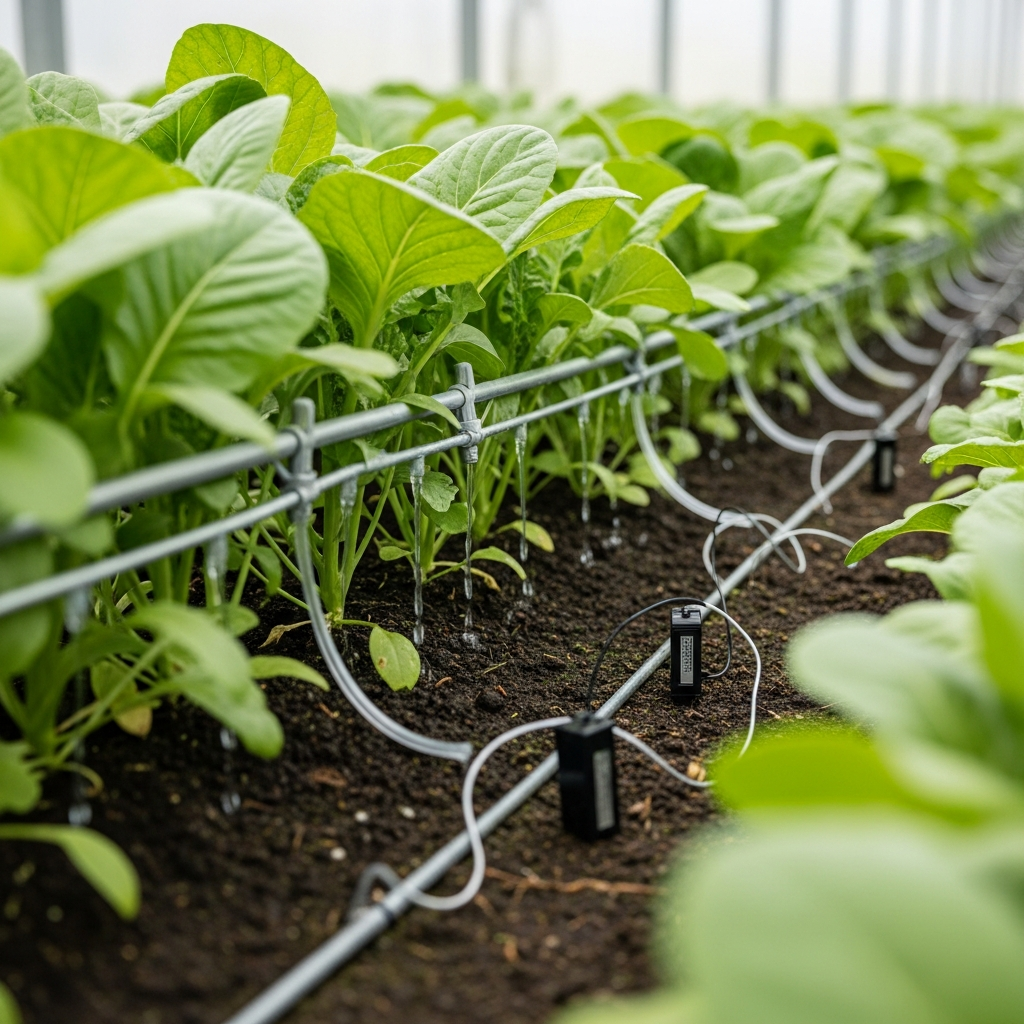
Modern irrigation systems deliver water and nutrients directly to plant roots. Drip irrigation and fertigation units are commonly used.

According to McKinsey, smart irrigation systems can reduce water usage by up to 30 percent while improving yield quality.

Greenhouse Automation Systems

Automation includes sensors, control panels, and software that manage daily operations. These systems reduce manual labor and improve accuracy.Automated greenhouses are gaining popularity among commercial growers and exporters.

Plant Handling and Crop Support Systems

Machinery such as trellis systems, conveyors, and harvesting tools helps support plant growth and ease crop handling.These systems are essential for large scale greenhouse operations.

Greenhouse Machinery Manufacturers and Industry Trends

Shift Toward Smart Greenhouses

Manufacturers are integrating Internet of Things and artificial intelligence into equipment design. Sensors now provide real time data on soil moisture, temperature, and plant health.According to Harvard Business Review, data driven agriculture improves decision making and reduces operational risk.

Focus on Energy Efficient Designs

Energy costs are a major concern for greenhouse operators. Manufacturers now offer solar integrated systems and energy saving ventilation units.Sustainable machinery reduces long term operating expenses.

Customization for Regional Needs

Greenhouse machinery manufacturers are offering region specific designs. Equipment is customized based on climate, crop type, and local regulations.

This flexibility supports adoption across emerging agricultural markets.

How to Choose the Right Greenhouse Machinery Manufacturer

Selecting the right manufacturer impacts productivity and return on investment.

Key Evaluation Factors

  • Product quality and certifications
  • Customization capabilities
  • After sales support
  • Spare parts availability
  • Industry experience

According to Economic Times, farmers who invest in reliable equipment suppliers see faster payback periods and fewer operational disruptions.

Challenges Faced by Farmers Without the Right Machinery

Without proper greenhouse machinery, farmers often struggle with:

  • Inconsistent crop quality
  • Higher labor dependency
  • Water and nutrient wastage
  • Increased pest infestations

Reliable greenhouse machinery manufacturers help overcome these issues through engineered solutions and ongoing technical support.

How Pepagora Empowers Smart Sourcing

Sourcing greenhouse machinery can be complex, especially when dealing with multiple suppliers and quality concerns. Pepagora, a B2B Growth Ecosystem simplifies this process for buyers and manufacturers.

Pepagora empowers businesses by:

  • Connecting buyers with verified greenhouse machinery manufacturers
  • Offering transparent supplier profiles
  • Supporting bulk sourcing and export ready suppliers
  • Helping manufacturers gain visibility in global markets

This creates trust and efficiency across the agricultural supply chain.

Proven Tip for Greenhouse Machinery Buyers

Always evaluate machinery based on total lifecycle cost rather than upfront price. Energy efficiency, durability, and maintenance costs directly impact profitability over time.

Investing in slightly higher quality machinery often results in long term savings and consistent output.

Greenhouse machinery manufacturers play a vital role in shaping the future of modern farming. Their innovations help farmers produce more food with fewer resources while maintaining quality and sustainability.

As demand for controlled environment agriculture grows, choosing the right machinery partner becomes critical. Reliable equipment improves productivity, reduces risk, and supports scalable farming operations.

If you are planning to expand or upgrade your greenhouse setup, sourcing verified manufacturers is the smartest first step. 

Join B2B Growth Ecosystem and connect with trusted greenhouse machinery manufacturers for modern farming needs.

FAQs: Greenhouse Machinery Manufacturers for Modern Farming

1. What is greenhouse machinery used for?

Greenhouse machinery helps control climate, irrigation, and crop handling to improve plant growth and yield consistency.

2. Are automated greenhouses expensive?

Initial costs are higher, but automation reduces labor and resource waste, improving long term profitability.

3. Which crops benefit most from greenhouse machinery

Vegetables, flowers, herbs, and high value fruits benefit significantly from controlled environments.

4. How do greenhouse machinery manufacturers support sustainability?

They design energy efficient systems, water saving irrigation, and climate optimized solutions that reduce environmental impact.


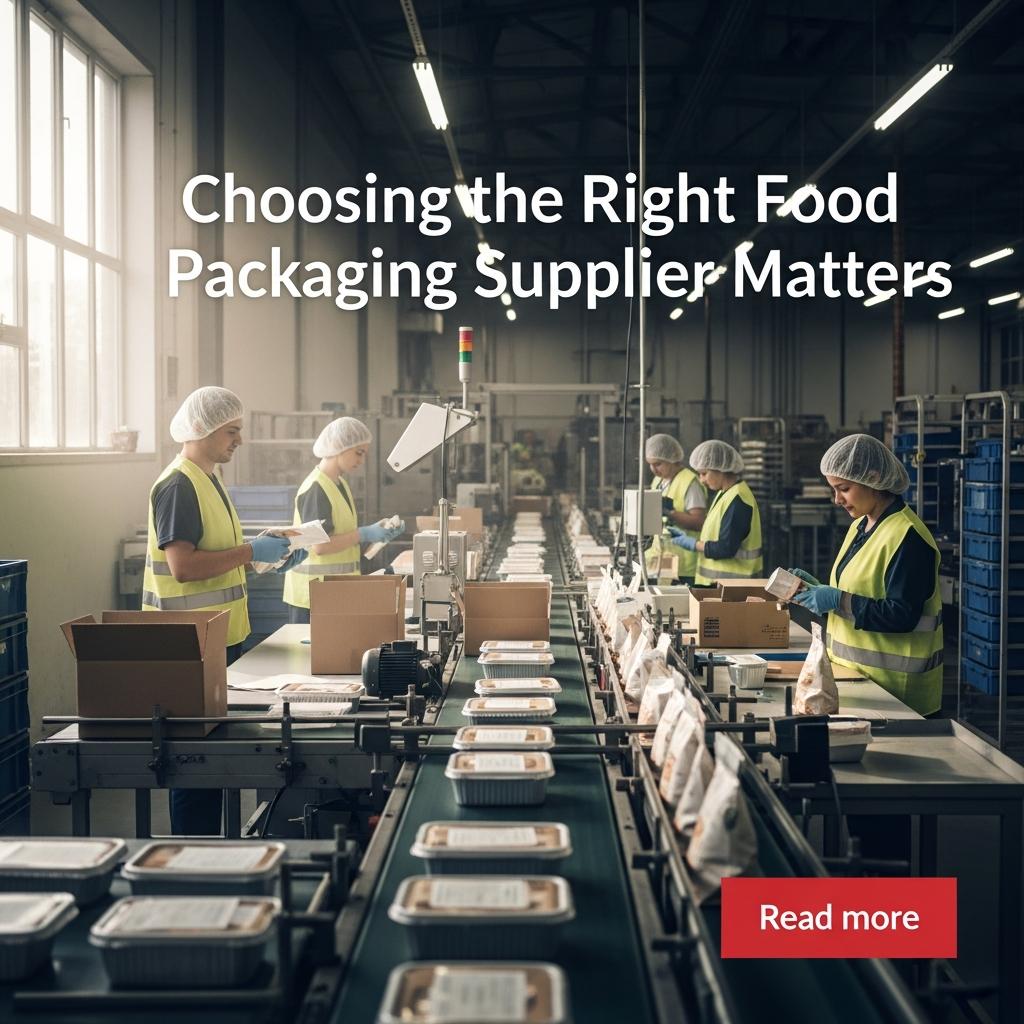
A damaged package can ruin a good product, but the wrong supplier can damage an entire brand. Many food businesses struggle not because of taste or demand, but due to inconsistent packaging quality, delayed supplies, or compliance issues. 

This is why choosing the right food packaging materials suppliers has become a critical business decision.Food packaging today is not just about wrapping products. It directly affects food safety, shelf life, logistics efficiency, customer trust, and regulatory compliance. 

From restaurants and cloud kitchens to FMCG brands and exporters, businesses rely heavily on suppliers who understand both food safety standards and operational realities.

In this article, we break down the key factors that help businesses select reliable food packaging materials suppliers. You will learn how to evaluate quality, certifications, pricing transparency, scalability, and supplier reliability. 

The guide is designed to help decision makers avoid costly mistakes and build long term supplier partnerships that support growth.

Why Choosing the Right Food Packaging Supplier Matters

Food packaging directly touches the consumer. Any failure can result in recalls, brand damage, or legal action.

Impact on Food Safety and Compliance

According to the World Health Organization, unsafe food handling and packaging contribute significantly to foodborne illnesses globally. Packaging suppliers play a direct role in preventing contamination.

Reliable food packaging materials suppliers ensure:

  • Food grade raw materials
  • Compliance with local and international regulations
  • Consistent quality across batches

Quality Standards and Material Safety

Quality is the first non negotiable factor when selecting food packaging materials suppliers.

Food Grade Material Assurance

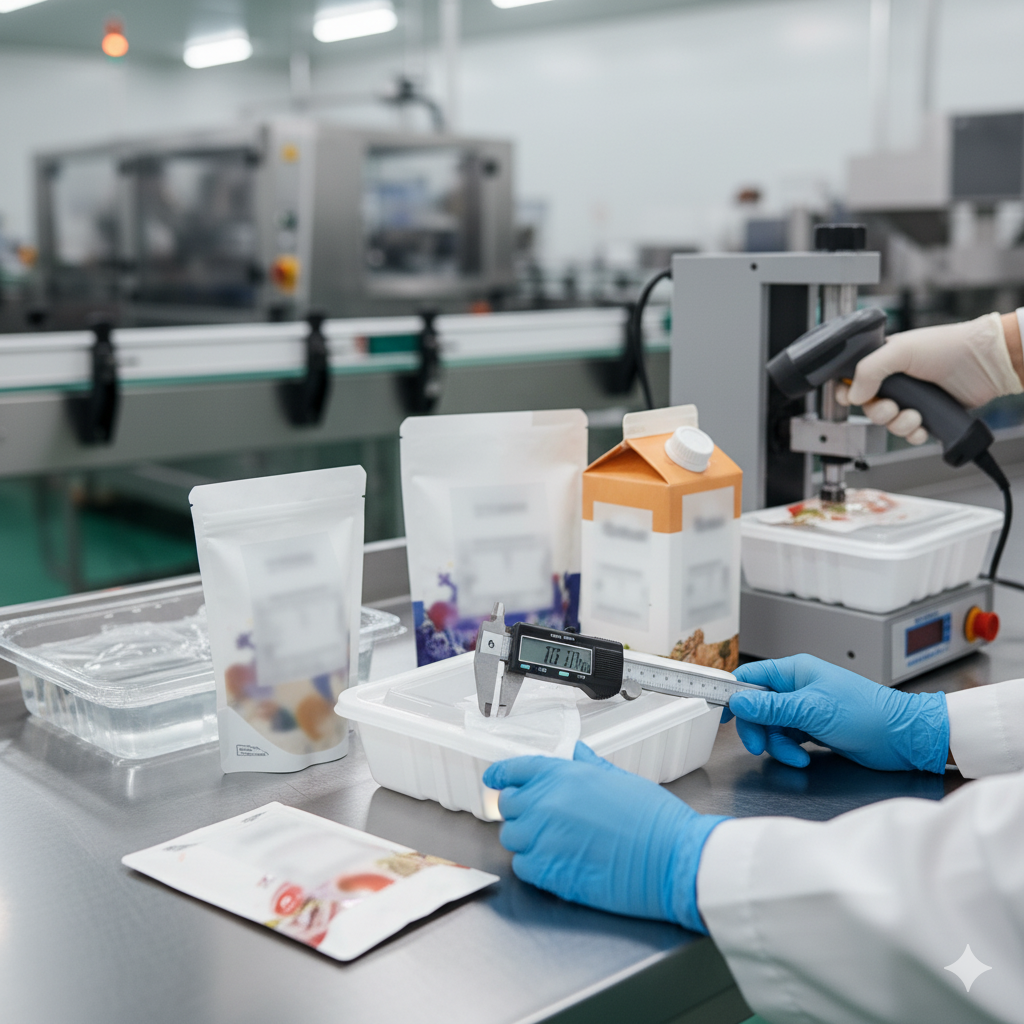
Suppliers must provide packaging made from materials approved for food contact. This includes plastics, paper, aluminum, and biodegradable alternatives.Key checks include:

  • Certification for food contact safety
  • Migration test reports
  • Material traceability

According to the Food Safety and Standards Authority of India, packaging must not transfer harmful substances to food under normal conditions.

Compliance and Certifications to Verify

Compliance protects your business from regulatory penalties and operational disruptions.

Essential Certifications to Look For

When evaluating food packaging materials suppliers, check for:

  • ISO 22000 or ISO 9001 certification
  • FSSAI compliance for Indian markets
  • FDA compliance for export oriented businesses

As reported by Economic Times, regulatory non compliance is among the top three reasons for food product recalls in India.

Consistency and Supply Reliability

A supplier that delivers good quality once but fails during peak demand creates operational risks.

Why Consistency Matters

Reliable food packaging materials suppliers offer:

  • Uniform thickness and finish
  • Stable production capacity
  • Predictable delivery schedules

Inconsistent packaging can lead to machine downtime, higher rejection rates, and increased labor costs.

Scalability and Long Term Partnership Potential

Your packaging needs will grow as your business grows.

Evaluating Supplier Scalability

Before finalizing a supplier, assess:

  • Monthly production capacity
  • Ability to handle bulk orders
  • Flexibility during seasonal demand spikes

According to McKinsey, businesses that build scalable supplier partnerships grow faster due to reduced supply chain disruptions.

Cost Transparency and Pricing Structure

Low prices can hide high long term costs.

Understanding True Packaging Costs

Reputed food packaging materials suppliers provide:

  • Clear pricing slabs
  • No hidden tooling or mold charges
  • Transparent freight and storage costs

Businesses should compare total cost of ownership rather than per unit pricing alone.

Customization and Branding Capabilities

Packaging is a silent salesperson for your brand.

Importance of Custom Packaging

Look for suppliers that support:

  • Custom sizes and shapes
  • Branding and printing options
  • Sustainable material alternatives

According to Forbes, strong packaging design influences over 70 percent of purchase decisions at the shelf level.

Sustainability and Eco Friendly Options

Sustainability is no longer optional for food brands.

Eco Conscious Packaging Trends

Modern food packaging materials suppliers now offer:

  • Biodegradable containers
  • Recyclable mono materials
  • Reduced plastic weight solutions

Statista reports that over 60 percent of consumers prefer brands that use sustainable packaging.

Logistics, Storage, and Lead Time Management

Packaging delays can halt production lines.

Operational Factors to Assess

Check whether suppliers provide:

  • Reliable dispatch timelines
  • Local warehousing options
  • Damage resistant bulk packaging

Efficient logistics support reduces inventory stress and improves production planning.

How Pepagora Empowers Smarter Supplier Selection

Finding verified food packaging materials suppliers can be time consuming without the right sourcing platform. Pepagora, a B2B Growth Ecosystem simplifies this process by connecting buyers with verified manufacturers, distributors, and wholesalers across packaging categories.

Businesses using Pepagora can:

  • Compare multiple suppliers in one place
  • Access verified profiles and product listings
  • Reduce sourcing risks and manual follow ups

This approach helps buyers focus on quality and fit rather than vendor discovery challenges.

Proven Tip

Always run a trial order under real operating conditions before committing to long term contracts. Test packaging on your filling lines, during transport, and in storage. This reveals issues that samples alone cannot highlight.Companies that validate packaging performance early report lower rejection rates and smoother scale up.

Selecting the right food packaging materials suppliers is a strategic decision that impacts safety, compliance, costs, and brand reputation. 

Businesses that evaluate suppliers beyond price gain long term operational stability and customer trust.

By focusing on quality standards, compliance, scalability, and transparency, food businesses can build supplier partnerships that support sustainable growth. 

To streamline sourcing and connect with verified partners, businesses can Join B2B Growth Ecosystem  and make confident procurement decisions.

FAQs: Select the Right Food Packaging Supplier

1. What certifications should food packaging suppliers have?

Suppliers should have ISO certifications, food grade compliance approvals, and relevant national or international regulatory clearances.

2. How do I verify packaging material safety?

Request migration test reports, food contact certificates, and compliance documentation from suppliers.

3. Is sustainable packaging more expensive?

Initial costs may be slightly higher, but sustainable packaging often reduces long term waste and improves brand perception.

4. Can small businesses source from bulk suppliers?

Yes. Many food packaging materials suppliers offer flexible order quantities for growing businesses.

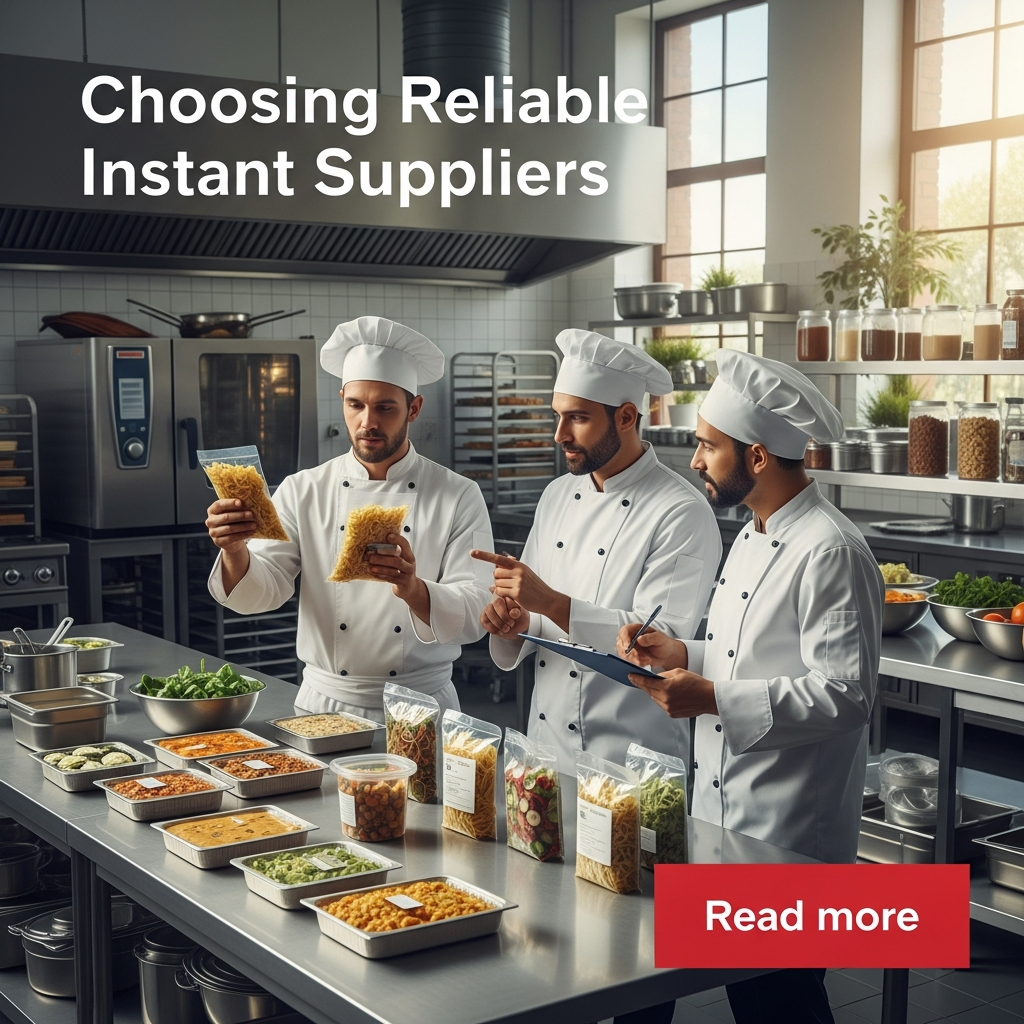
A delayed shipment, inconsistent taste, or a failed quality audit can disrupt an entire food business overnight. Many B2B buyers face these issues when working with the wrong ready to eat and instant foods suppliers.

From cloud kitchens and caterers to corporate cafeterias and retail chains, instant food sourcing has moved from convenience to necessity. Ready to eat and instant foods suppliers now play a central role in meeting demand for speed, safety, and standardization.

The challenge lies in identifying suppliers who can deliver consistent quality at scale, comply with food safety regulations, and adapt to changing consumer preferences. 

Choosing the right ready to eat and instant foods suppliers is no longer just a procurement decision. It is a business growth decision.

This article explains how B2B buyers can evaluate, select, and build long term partnerships with reliable ready to eat and instant foods suppliers while reducing operational risk and improving supply stability.

Why Choosing the Right Ready To Eat and Instant Foods Suppliers Matters

Growing Dependence on Instant Food Solutions

According to Statista, the global ready to eat food market is expected to cross USD 450 billion by the end of this decade, driven by urbanization and changing eating habits.B2B buyers depend on ready to eat and instant foods suppliers for:

  • Faster service delivery
  • Reduced kitchen labor
  • Consistent portion control
  • Lower food wastage

A reliable supplier ensures these benefits are sustained over time.

Cost of Choosing the Wrong Supplier

Unreliable ready to eat and instant foods suppliers can cause:

  • Stock shortages during peak demand
  • Quality complaints from customers
  • Compliance penalties
  • Increased returns and wastage

According to Harvard Business Review, supplier failures can increase operational costs by up to 20 percent in food service businesses.

Key Qualities of Reliable Ready To Eat and Instant Foods Suppliers

Food Safety and Compliance Standards

Reliable ready to eat and instant foods suppliers strictly follow food safety norms such as:

  • FSSAI compliance
  • Hygienic manufacturing practices
  • Regular quality audits
  • Clear batch traceability

B2B buyers should request certification copies and audit reports before onboarding suppliers.

Consistency in Taste and Texture

Consistency builds trust. The best ready to eat and instant foods suppliers use standardized recipes, controlled cooking environments, and quality ingredient sourcing to ensure uniform taste across batches.

This matters especially for:

  • Multi outlet food brands
  • Franchise kitchens
  • Retail private labels

Evaluating Manufacturing Capability of Ready To Eat and Instant Foods Suppliers

Production Capacity and Scalability

Suppliers must handle demand fluctuations without compromising quality. B2B buyers should assess:

  • Daily production volumes
  • Backup manufacturing units
  • Seasonal scaling capability

According to McKinsey, scalable suppliers help businesses respond faster to market demand shifts.

Packaging and Shelf Life Management

Modern ready to eat and instant foods suppliers invest in:

  • Modified atmosphere packaging
  • Vacuum sealing
  • Retort packaging

These technologies improve shelf life while preserving flavor and nutrition.

Ingredient Transparency and Sourcing Practices

Clean Label Expectations

Today’s buyers expect transparency. Reliable ready to eat and instant foods suppliers clearly disclose:

  • Ingredient lists
  • Preservative usage
  • Allergen information

According to Forbes, clean label food products influence purchasing decisions across both B2C and B2B segments.

Ethical and Traceable Sourcing

Suppliers sourcing raw materials responsibly tend to deliver better quality and stability. Traceable sourcing reduces contamination risks and supply disruptions.

Logistics and Supply Reliability in B2B Food Sourcing

Cold Chain and Storage Infrastructure

For many ready to eat and instant foods suppliers, logistics is as important as production. Reliable suppliers maintain:

  • Temperature controlled storage
  • Insulated transport
  • Real time shipment tracking

Economic Times reports that cold chain gaps remain a major challenge in food supply reliability.

Delivery Commitments and Lead Times

B2B buyers should confirm:

  • Average lead times
  • Emergency fulfillment capability
  • Delivery performance history

Missed deliveries directly affect service quality and revenue.

Pricing Transparency and Contract Flexibility

Clear Pricing Structures

Reliable ready to eat and instant foods suppliers offer transparent pricing that includes:

  • Volume based pricing slabs
  • Packaging costs
  • Logistics charges

Hidden costs often signal operational inefficiencies.

Long Term Supply Agreements

Flexible contracts allow businesses to:

  • Lock in prices
  • Plan inventory better
  • Reduce procurement uncertainty

Many B2B buyers prefer suppliers open to structured long term agreements.

Technology Adoption by Ready To Eat and Instant Foods Suppliers

Digital Order Management

Modern suppliers use digital platforms for:

  • Order tracking
  • Inventory visibility
  • Production planning

This reduces errors and improves communication between buyers and suppliers.

Data Driven Quality Control

According to McKinsey, food manufacturers using data analytics experience up to 15 percent improvement in quality consistency.

Reliable ready to eat and instant foods suppliers monitor batch performance and customer feedback closely.

How Pepagora Empowers Smarter Supplier Discovery

Finding verified ready to eat and instant foods suppliers can be time consuming without the right ecosystem. Pepagora, a B2B Growth Ecosystem simplifies supplier discovery by connecting B2B buyers directly with manufacturers, exporters, and wholesalers.

Buyers benefit from:

  • Verified supplier listings
  • Multiple product categories
  • Direct inquiry access
  • Reduced sourcing risk

Pepagora supports businesses seeking reliable ready to eat and instant foods suppliers without unnecessary intermediaries.

Proven Tip for B2B Buyers

Always start with a pilot order before committing to bulk volumes. Testing quality, packaging stability, delivery timelines, and responsiveness during a pilot phase reveals supplier reliability early.

Choosing reliable ready to eat and instant foods suppliers is a strategic decision that impacts food quality, operational stability, and customer satisfaction. 

B2B buyers who evaluate suppliers beyond pricing gain long term advantages.The best suppliers combine safety compliance, consistent quality, scalable production, and reliable logistics. Investing time in supplier selection reduces risk and supports sustainable growth.

If you are exploring trusted sourcing options, Join B2B Growth Ecosystem and connect with verified ready to eat and instant foods suppliers suited for your business needs.


FAQs: Choosing Reliable Ready To Eat and Instant Foods Suppliers

1. How can B2B buyers verify food safety compliance?

Buyers should request certifications, audit reports, and conduct sample testing before onboarding suppliers.

2. What shelf life should instant food suppliers offer?

Shelf life depends on packaging and formulation, but reliable suppliers clearly specify storage and expiry details.

3. Are private label options available with instant food suppliers?

Many ready to eat and instant foods suppliers offer private labeling for B2B brands and retailers.

4. How important is logistics capability in supplier selection?

Logistics reliability is critical, especially for temperature sensitive products and high volume orders.

Why Buying Direct From Spices Manufacturers Saves Cost

Did you know that nearly every extra hand in the spice supply chain increases your cost without improving quality? For many food businesses, traders, retailers, and exporters, rising raw material prices are eating into margins faster than expected.

Buying directly from spices and herbs manufacturers has become a practical strategy for controlling costs while maintaining consistent quality. 

When businesses depend on multiple middlemen, they often pay hidden markups, face delayed deliveries, and lose transparency over sourcing.

Spices are not just ingredients. They define taste, aroma, and brand reputation. Yet many buyers still rely on distributors without understanding how much cost efficiency they lose in the process.

This article explains why sourcing directly from spices and herbs manufacturers saves money, how it improves operational control, and what decision makers should consider before making the shift.

Understanding the Traditional Spice Supply Chain

How Multiple Intermediaries Increase Cost

In a typical spice supply chain, products pass through several layers before reaching the buyer.

This often includes:

• Farmers

• Aggregators

• Wholesalers

• Regional traders

• Retail distributors

Each layer adds handling costs, margins, and logistics expenses. 

According to McKinsey, fragmented supply chains can increase procurement costs by up to 25 percent due to inefficiencies.

Buying directly from spices and herbs manufacturers removes unnecessary layers.

Why Buying Direct From Spices and Herbs Manufacturers Saves Cost

Elimination of Middlemen Margins

Middlemen exist to bridge gaps, but they also add markups. When buyers connect directly with spices and herbs manufacturers, they avoid multiple margin layers.

Direct sourcing allows:

• Better price negotiation

• Transparent cost structures

• Long term supply agreements

This directly impacts profit margins for food processors and exporters.

Bulk Pricing and Volume Advantages

Spices and herbs manufacturers usually operate at scale. They are better equipped to offer competitive pricing for bulk orders.

Key advantages include:

• Lower per unit cost

• Stable pricing contracts

• Priority production scheduling

According to Statista, bulk sourcing directly from manufacturers reduces average raw material costs by 15 to 20 percent in food processing sectors.

Better Quality Control Leads to Lower Losses

Reduced Quality Variations

When sourcing through traders, buyers often face inconsistency in aroma, color, and moisture levels.

Direct sourcing from spices and herbs manufacturers allows buyers to:

• Set quality benchmarks

• Approve samples before production

• Monitor processing standards

Fewer quality issues mean fewer rejected batches and less financial loss.

Improved Traceability and Compliance

According to Harvard Business Review, traceable supply chains improve operational efficiency and reduce compliance risks.Manufacturers provide:• Batch level documentation

• Origin details

• Processing certifications

This transparency helps exporters meet regulatory requirements without added costs.

Logistics Efficiency When Buying Direct

Faster Turnaround Times

Buying from traders often leads to delays because stock availability depends on multiple parties.

Direct manufacturer sourcing ensures:

• Planned production cycles

• Predictable delivery timelines

• Reduced inventory holding costsEfficient logistics translate directly into cost savings.

Lower Transportation and Handling Expenses

Spices and herbs manufacturers typically ship directly from production units.

This helps reduce:

• Repacking charges

• Multiple loading costs

• Damage during transit

According to Economic Times, optimized logistics can reduce supply chain expenses by nearly 10 percent for FMCG businesses.

Price Stability in Volatile Markets

Long Term Contracts Reduce Price Fluctuations

Spice prices fluctuate due to climate, crop yield, and demand cycles. Direct relationships with spices and herbs manufacturers allow businesses to lock in pricing.

Benefits include:

• Predictable budgeting

• Reduced exposure to sudden price hikes

• Better financial planning

This stability is difficult to achieve when sourcing through multiple intermediaries.

Why Spices and Herbs Manufacturers Prefer Direct Buyers

Mutual Growth and Long Term Partnerships

Manufacturers benefit from stable demand and repeat business. Buyers benefit from priority supply and better pricing.

Direct buyers often receive:

• Custom processing options

• Packaging flexibility

• Consistent supply even during peak seasons

This mutual dependency creates a more resilient supply chain.

How Pepagora Empowers Smart Sourcing Decisions

Finding reliable spices and herbs manufacturers can be challenging without proper verification. Platforms like Pepagora, a B2B Growth Ecosystem simplify this process by connecting buyers directly with verified manufacturers.

Buyers can explore supplier profiles, product capabilities, and compliance details in one place. This reduces sourcing risk and saves time that would otherwise be spent vetting multiple intermediaries.

Proven Tip for Cost Focused Buyers

Always request a landed cost breakdown from spices and herbs manufacturers. Comparing ex factory pricing with logistics and packaging costs helps identify real savings versus trader pricing.

Buying directly from spices and herbs manufacturers is not just about saving money. It is about gaining control, ensuring consistency, and building a reliable supply chain.

Direct sourcing reduces unnecessary markups, improves quality assurance, and creates long term cost efficiency. Businesses that adopt this model gain a competitive edge in pricing and product reliability.

Join B2B Growth Ecosystem to source reliable spice products directly from verified manufacturers.


FAQs: Buy Direct From Spices Manufacturers Saves Cost

1. Is buying directly from spices manufacturers suitable for small businesses?

Yes. Many spices and herbs manufacturers offer flexible MOQs for growing businesses.

2. Does direct sourcing always mean lower prices?

In most cases, yes, especially when considering reduced wastage, better quality, and stable pricing.

3. How can buyers verify spices manufacturers?

Verification through trusted B2B platforms and certification checks ensures supplier credibility.

4. What documents should buyers request?

Buyers should request food safety certifications, quality test reports, and batch traceability details.

Top Features in Modern Food Processing Machines

Many businesses struggle to choose the right equipment because food processing machinery manufacturers offer hundreds of advanced features today. 

The challenge is understanding which features actually create value. Modern machines have changed the way food is cleaned, sorted, cooked, packed, and stored, and buyers want reliable systems that work fast and reduce waste.

Food processing machinery manufacturers now design smarter and safer machines that meet global standards. This matters because consumer demand for processed foods continues to increase. 

According to Statista, the global food processing market has experienced consistent growth as more companies invest in automated systems. 

In this article, you will learn the top features that modern machines provide, how they solve real production challenges, and why these features help companies reduce cost and increase product quality.

By the end, you will have a clear understanding of the improvements that help food processors stay competitive.

Smart Automation in Food Processing

The Rise of Intelligent Controls

Automation is now a core feature. Machines can adjust speed, temperature, and pressure based on product type. Smart controls help reduce errors and improve accuracy in daily operations.

Benefits include

● Precise control of processing parameters

● Consistent quality across batches

● Reduced manual supervision

Real Time Monitoring Systems

Sensors provide instant updates about machine performance. This allows quick detection of faults. According to McKinsey, real time automation improves output efficiency for manufacturers across many sectors.Key monitoring outputs

● Temperature

● Moisture

● Pressure

● Energy use

Real time data helps businesses avoid product loss and maintain stable production lines.

Hygiene and Food Safety Features

Stainless Steel Design

Modern food processing machines use food grade stainless steel. This reduces contamination risks and allows easy cleaning.

Advantages

● Corrosion resistance

● Smooth surface for cleaning

● Long lasting build quality

Easy Clean Components

Food residue can lead to contamination. To avoid this, many machines come with

● Tool free dismantling

● Self cleaning functions

● Water flush systems

These features help meet global food safety requirements.

Energy Efficient Technologies

Low Energy Consumption Systems

Rising energy costs push companies to choose efficient machines. Many manufacturers now include

● Variable frequency drives

● Smart cooling systems

● Optimised motors

According to the Economic Times, businesses that invest in energy saving technologies report reduced operational costs over time.

Heat Recovery Mechanisms

Some machines capture heat produced during operation. This recovered heat can be used again. It saves energy and supports sustainable operations.

Product Consistency and Accuracy

Precision Cutting and Sizing

Accurate product sizing improves appearance and packing consistency. Modern cutting units use advanced blades and computer control.Common machines include

● Dicers

● Slicers

● Grinders

Automated Portioning Systems

Food processing machinery manufacturers also offer automated portioning systems. These help maintain weight accuracy. This supports packaging compliance and reduces waste.

Flexibility for Different Products

Modular Machine Design

Businesses handle different food types. This is why modular machines are popular. They allow easy changeover between products.Modular features

● Removable parts

● Adjustable conveyors

● Multi purpose attachments

Multi Function Operation

Some machines can wash, peel, sort, and cut in one line. This reduces floor space and labour requirements.

Safety Improvements in Modern Machines

Human Safety Controls

Safety is a priority. Manufacturers now include

● Emergency stop buttons

● Guard rails

● Automatic power off

These features reduce workplace accidents.

Food Grade Material Contact Zones

Materials that touch food must meet global standards. Machines now use certified materials to improve trust and safety.

Smart Integration and Connectivity

IoT Supported Machines

Connected equipment helps track performance. IoT systems alert teams when maintenance is required. This avoids unexpected breakdowns.

Cloud Data Access

Some manufacturers provide cloud based data storage. Businesses can track production data from anywhere. This supports better planning and maintenance decisions.

Material Handling and Waste Reduction

Smooth Conveying Systems

Food must move smoothly through each stage. Modern conveyors come with speed control and reduced spillage designs.

Waste Control Units

To reduce waste, machines now include

● Trimming control

● Reject separation

● Automatic waste collection bins

Reduced waste leads to improved profitability.

Quality Control Upgrades

Camera Inspection Systems

Camera systems detect size, colour, and shape differences. This helps maintain product standards.

Metal Detection Integration

Metal detectors are essential for food safety. They check for foreign particles before packing. This is required in many export markets.

User Friendly Design

Simple Touchscreen Panels

Operators prefer simple screens with easy navigation. Machines now feature

● Large display screens

● Clear icons

● Multi language options

Reduced Maintenance

Many machines are designed for easy maintenance. This includes

● Lubrication free parts

● Quick access panels

● Predictive maintenance alerts

How Pepagora Empowers Food Industry Buyers

Pepagora, a B2B Growth Ecosystem helps buyers connect with dependable food processing machinery manufacturers in one trusted space. The platform lists verified suppliers, clear product specifications, and contact options that help businesses communicate easily. 

Buyers can compare machines, find specialised equipment, and shortlist reliable partners without spending hours searching across multiple websites.

 Pepagora also supports faster decision making through transparent supplier profiles.

Proven Tip

Always request a live demo or video demonstration before purchasing a machine. Watching the machine operate in real conditions reveals performance, build quality, and ease of cleaning. This prevents costly mistakes and ensures the machine truly meets your product needs.

Modern food processing machines are designed to reduce manual work, improve consistency, and help businesses meet global food safety expectations. 

When you choose machines that offer automation, energy efficiency, safety improvements, and strong quality control, you prepare your production line for long term success. These features create real value for food producers of all sizes. 

If you want to explore reliable suppliers and compare options easily, Join B2B Growth Ecosystem.


FAQs: Top Features in Modern Food Processing Machines

What is the most important feature in modern food processing machines

Automation and real time monitoring are the most important because they improve quality and reduce errors.

Are modern machines energy efficient

Many machines now use energy saving motors and heat recovery systems to lower power use.

Do food processing machines improve safety

Yes. Stainless steel builds, clean design, and safety controls help maintain high food safety standards.

Should I choose modular machines

Modular machines offer long term value because they allow easy product changeovers.

Do all machines support IoT

Not all, but many advanced food processing machinery manufacturers now provide IoT connectivity as an option.

I BUILT MY SITE FOR FREE USING