Food Processing Machinery Wholesalers Buying Guide
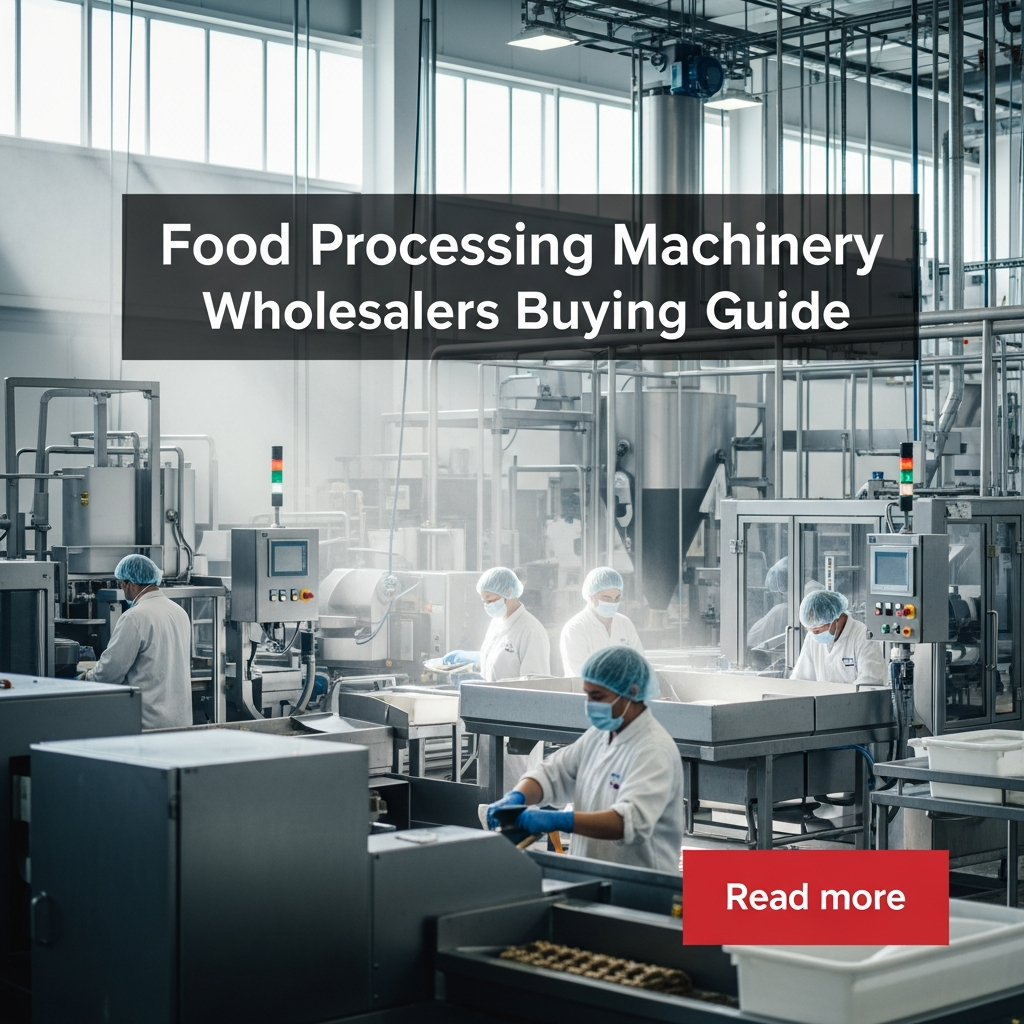
One wrong machinery decision can slow production, increase waste, and impact food quality. That is why choosing the right food processing machinery wholesalers is a critical business decision, not just a routine purchase.
Food processing machinery wholesalers support manufacturers, processors, and exporters by supplying equipment that directly affects efficiency, hygiene, and output consistency. From washing and sorting systems to mixers, dryers, and packaging machines, every choice matters.
Many buyers face challenges like unclear pricing, delayed deliveries, limited service support, or machines that fail to meet food safety norms.
This buying guide is designed to help you avoid those risks. It explains how to evaluate wholesalers, assess machinery quality, and make confident sourcing decisions that support long-term growth.
Understanding the Role of Food Processing Machinery Wholesalers
Food processing machinery wholesalers act as intermediaries between equipment manufacturers and food businesses. They source machines in bulk and distribute them across regions and industries.
Their role includes more than just selling machines. Reliable wholesalers help buyers select equipment based on food type, capacity, and compliance needs.
Key responsibilities include
• Supplying certified and tested machinery
• Managing inventory and logistics
• Offering technical guidance
• Supporting installation and maintenance
Choosing the right wholesaler reduces operational risk and improves production reliability.
Types of Food Processing Machinery Commonly Supplied
Food processing machinery wholesalers usually deal with a broad range of equipment.
Primary Processing Equipment
Used for initial food handling
• Washing and cleaning machines
• Sorting and grading systems
• Peeling and cutting units
Secondary Processing Equipment
Used for transformation and processing
• Mixers and blenders
• Cooking and frying systems
• Drying and dehydration machines
Packaging and Handling Equipment
Supports hygiene and shelf life
• Conveyors
• Filling and sealing machines
• Labeling systems
Knowing your exact requirement helps shortlist the right wholesaler quickly.
Key Factors to Evaluate Before Choosing a Wholesaler
Product Quality and Certifications
Food safety starts with equipment quality. Machinery must meet hygiene and material standards to ensure safe processing.
Look for
• Food grade stainless steel construction
• ISO or CE certification
• Compliance with local food safety regulations
Avoid suppliers who cannot provide documentation or test reports.
Industry Experience and Market Presence
Experienced food processing machinery wholesalers understand operational challenges better. According to Statista, experienced industrial suppliers show higher customer retention due to reliability and service consistency.
Evaluate
• Years of operation
• Client industries served
• Market reputation
Experience often translates into smoother execution.
Pricing Transparency and Value
Low pricing alone can be misleading. According to McKinsey, unplanned equipment downtime costs manufacturers far more than initial savings.
Check for
• Clear pricing structure
• Warranty coverage
• Spare parts availability
Transparent pricing reflects long-term value, not just short-term savings.
Importance of After-Sales Support
After-sales service plays a major role in machine performance and lifespan. Harvard Business Review highlights that strong service support reduces downtime and improves operational continuity.
Ask about
• Installation support
• Preventive maintenance
• Technical assistance response time
• Availability of trained service staff
Good support protects your investment.
Evaluating Supply Chain and Delivery Capabilities
Delayed machinery delivery can disrupt production schedules. According to Economic Times, logistics inefficiencies remain a major challenge for industrial buyers.
Assess
• Inventory readiness
• Delivery timelines
• Packaging and transport safety
Wholesalers with strong logistics planning reduce project delays.
Comparing Local vs International Wholesalers
Both sourcing options offer benefits.
Local Wholesalers
• Faster service response
• Easier communication
• Better understanding of local compliance
International Wholesalers
• Advanced technology options
• Wider product selection
• Competitive bulk pricing
Choose based on service needs and technical requirements.
How Digital B2B Platforms Simplify Sourcing
Modern buyers prefer transparent and faster sourcing methods. Digital B2B platforms allow buyers to compare food processing machinery wholesalers, review supplier profiles, and connect directly with verified sellers.
This approach reduces sourcing time, improves transparency, and supports informed decision making throughout the buyer journey.
How Pepagora Empowers Smart Machinery Buyers
Pepagora helps buyers discover verified food processing machinery wholesalers, manufacturers, and exporters through a trusted B2B marketplace.
With Pepagora, buyers can
• Access verified supplier profiles
• Compare machinery options across categories
• Connect directly with decision makers
• Reduce sourcing and negotiation time
This aligns with current industry trends where buyers value speed, trust, and clarity.
To know about 15 Proven strategies to attract real buyers read this article.
Proven Tip for Buying Food Processing Machinery
Always ask for a live demonstration or performance video before placing bulk orders. This helps validate output quality, ease of operation, and build standards before finalizing the purchase.
Choosing the right food processing machinery wholesalers directly impacts productivity, food safety, and long-term profitability. A structured evaluation process helps reduce risks and ensures smoother operations.
Focus on certifications, service support, delivery reliability, and supplier credibility. Use modern sourcing methods to compare options efficiently.
Join B2B Growth Ecosystem and source reliable food processing machinery with confidence.
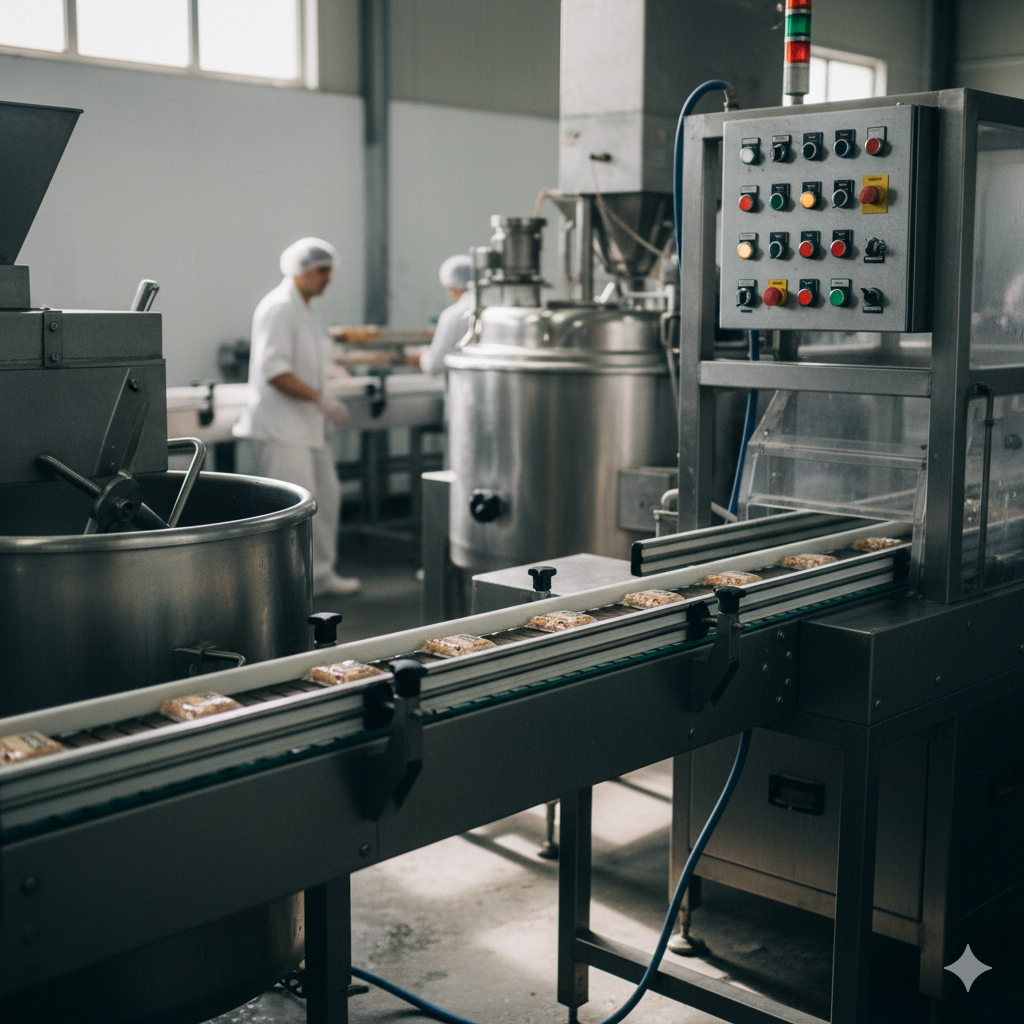
FAQs: Food Processing Machinery Wholesalers Buying Guide
1. How do I verify a food processing machinery wholesaler?
Check certifications, business registration, service capability, and client references.
2. Is buying from wholesalers better than manufacturers?
Wholesalers offer variety and faster access, while manufacturers offer customization. Choose based on project needs.
3. What certifications should food processing machinery have?
ISO, CE, and food grade material compliance are essential.
4. Can online platforms be trusted for machinery sourcing?
Yes, when suppliers are verified and business information is transparent.