Key Factors to Select the Right Food Packaging Supplier
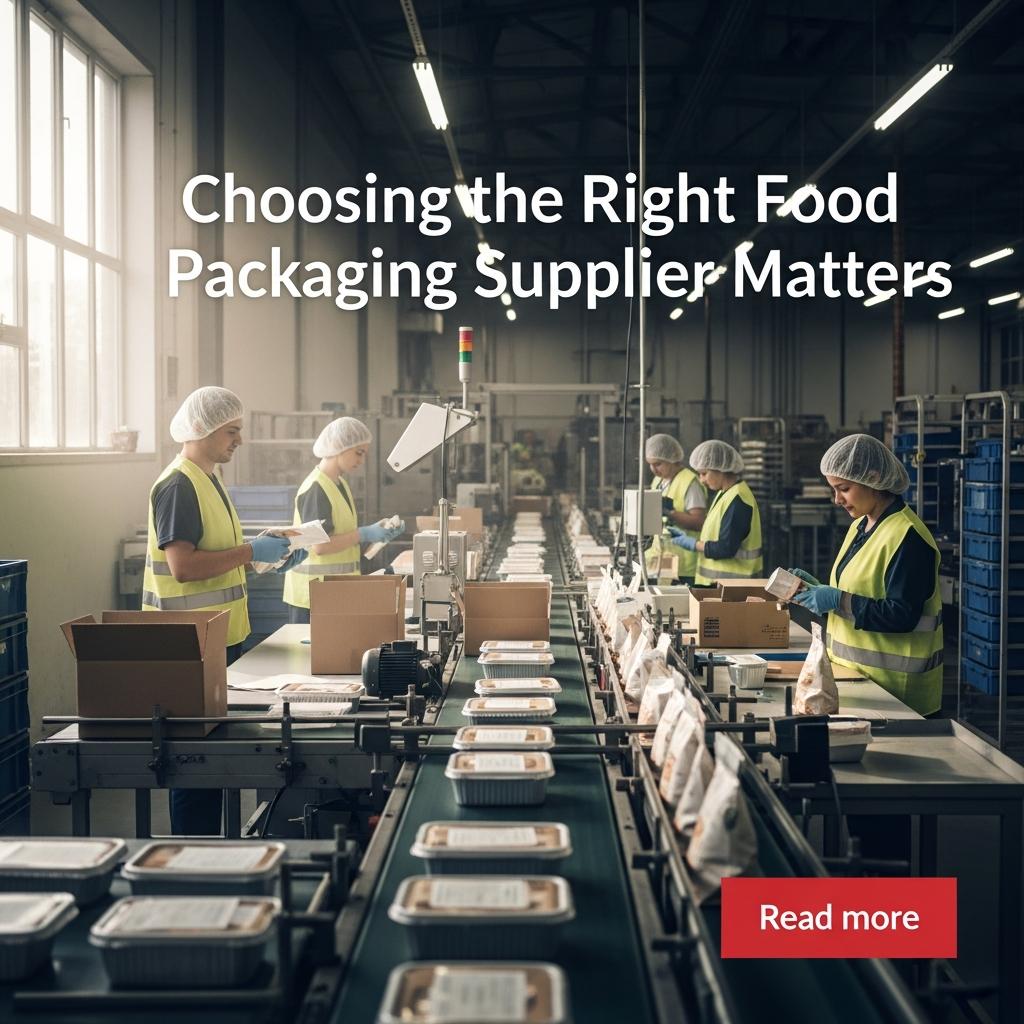
A damaged package can ruin a good product, but the wrong supplier can damage an entire brand. Many food businesses struggle not because of taste or demand, but due to inconsistent packaging quality, delayed supplies, or compliance issues.
This is why choosing the right food packaging materials suppliers has become a critical business decision.Food packaging today is not just about wrapping products. It directly affects food safety, shelf life, logistics efficiency, customer trust, and regulatory compliance.
From restaurants and cloud kitchens to FMCG brands and exporters, businesses rely heavily on suppliers who understand both food safety standards and operational realities.
In this article, we break down the key factors that help businesses select reliable food packaging materials suppliers. You will learn how to evaluate quality, certifications, pricing transparency, scalability, and supplier reliability.
The guide is designed to help decision makers avoid costly mistakes and build long term supplier partnerships that support growth.
Why Choosing the Right Food Packaging Supplier Matters
Food packaging directly touches the consumer. Any failure can result in recalls, brand damage, or legal action.
Impact on Food Safety and Compliance
According to the World Health Organization, unsafe food handling and packaging contribute significantly to foodborne illnesses globally. Packaging suppliers play a direct role in preventing contamination.
Reliable food packaging materials suppliers ensure:
- Food grade raw materials
- Compliance with local and international regulations
- Consistent quality across batches
Quality Standards and Material Safety
Quality is the first non negotiable factor when selecting food packaging materials suppliers.
Food Grade Material Assurance
Suppliers must provide packaging made from materials approved for food contact. This includes plastics, paper, aluminum, and biodegradable alternatives.Key checks include:
- Certification for food contact safety
- Migration test reports
- Material traceability
According to the Food Safety and Standards Authority of India, packaging must not transfer harmful substances to food under normal conditions.
Compliance and Certifications to Verify
Compliance protects your business from regulatory penalties and operational disruptions.
Essential Certifications to Look For
When evaluating food packaging materials suppliers, check for:
- ISO 22000 or ISO 9001 certification
- FSSAI compliance for Indian markets
- FDA compliance for export oriented businesses
As reported by Economic Times, regulatory non compliance is among the top three reasons for food product recalls in India.
Consistency and Supply Reliability
A supplier that delivers good quality once but fails during peak demand creates operational risks.
Why Consistency Matters
Reliable food packaging materials suppliers offer:
- Uniform thickness and finish
- Stable production capacity
- Predictable delivery schedules
Inconsistent packaging can lead to machine downtime, higher rejection rates, and increased labor costs.
Scalability and Long Term Partnership Potential
Your packaging needs will grow as your business grows.
Evaluating Supplier Scalability
Before finalizing a supplier, assess:
- Monthly production capacity
- Ability to handle bulk orders
- Flexibility during seasonal demand spikes
According to McKinsey, businesses that build scalable supplier partnerships grow faster due to reduced supply chain disruptions.
Cost Transparency and Pricing Structure
Low prices can hide high long term costs.
Understanding True Packaging Costs
Reputed food packaging materials suppliers provide:
- Clear pricing slabs
- No hidden tooling or mold charges
- Transparent freight and storage costs
Businesses should compare total cost of ownership rather than per unit pricing alone.
Customization and Branding Capabilities
Packaging is a silent salesperson for your brand.
Importance of Custom Packaging
Look for suppliers that support:
- Custom sizes and shapes
- Branding and printing options
- Sustainable material alternatives
According to Forbes, strong packaging design influences over 70 percent of purchase decisions at the shelf level.
Sustainability and Eco Friendly Options
Sustainability is no longer optional for food brands.
Eco Conscious Packaging Trends
Modern food packaging materials suppliers now offer:
- Biodegradable containers
- Recyclable mono materials
- Reduced plastic weight solutions
Statista reports that over 60 percent of consumers prefer brands that use sustainable packaging.
Logistics, Storage, and Lead Time Management
Packaging delays can halt production lines.
Operational Factors to Assess
Check whether suppliers provide:
- Reliable dispatch timelines
- Local warehousing options
- Damage resistant bulk packaging
Efficient logistics support reduces inventory stress and improves production planning.
How Pepagora Empowers Smarter Supplier Selection
Finding verified food packaging materials suppliers can be time consuming without the right sourcing platform. Pepagora, a B2B Growth Ecosystem simplifies this process by connecting buyers with verified manufacturers, distributors, and wholesalers across packaging categories.
Businesses using Pepagora can:
- Compare multiple suppliers in one place
- Access verified profiles and product listings
- Reduce sourcing risks and manual follow ups
This approach helps buyers focus on quality and fit rather than vendor discovery challenges.
Proven Tip
Always run a trial order under real operating conditions before committing to long term contracts. Test packaging on your filling lines, during transport, and in storage. This reveals issues that samples alone cannot highlight.Companies that validate packaging performance early report lower rejection rates and smoother scale up.
Selecting the right food packaging materials suppliers is a strategic decision that impacts safety, compliance, costs, and brand reputation.
Businesses that evaluate suppliers beyond price gain long term operational stability and customer trust.
By focusing on quality standards, compliance, scalability, and transparency, food businesses can build supplier partnerships that support sustainable growth.
To streamline sourcing and connect with verified partners, businesses can Join B2B Growth Ecosystem and make confident procurement decisions.
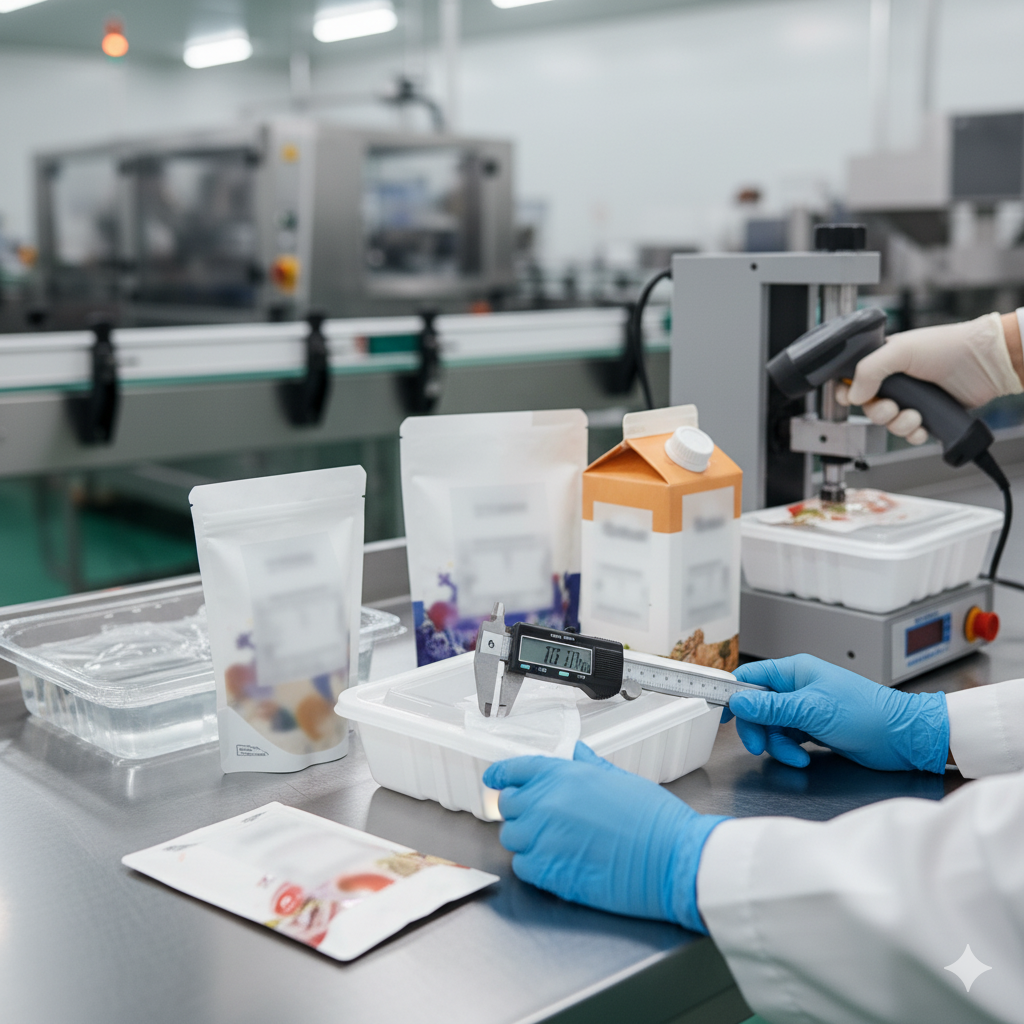
FAQs: Select the Right Food Packaging Supplier
1. What certifications should food packaging suppliers have?
Suppliers should have ISO certifications, food grade compliance approvals, and relevant national or international regulatory clearances.
2. How do I verify packaging material safety?
Request migration test reports, food contact certificates, and compliance documentation from suppliers.
3. Is sustainable packaging more expensive?
Initial costs may be slightly higher, but sustainable packaging often reduces long term waste and improves brand perception.
4. Can small businesses source from bulk suppliers?
Yes. Many food packaging materials suppliers offer flexible order quantities for growing businesses.