Instant Food Manufacturers Buyer Selection Guide
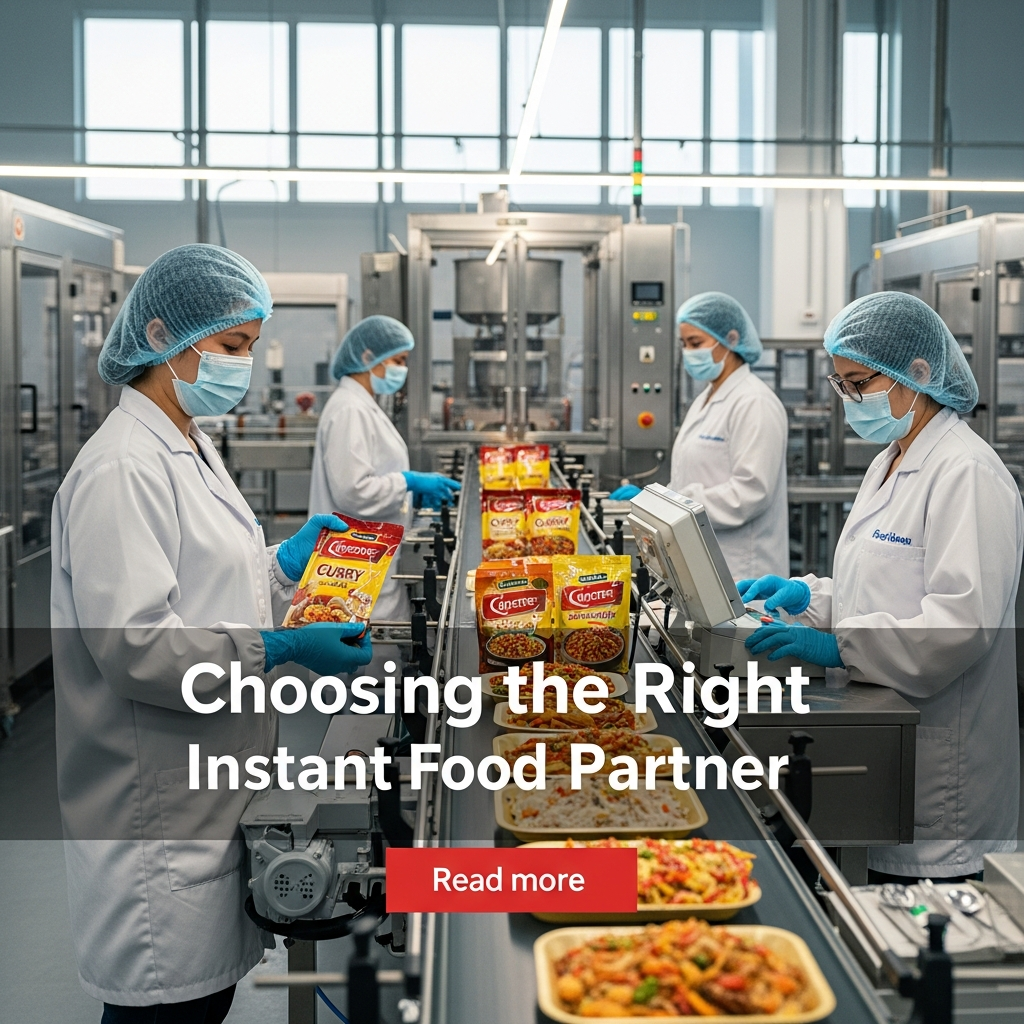
The instant food category has become a daily essential rather than a convenience. From ready to eat meals to instant noodles and mixes, buyers today face one major challenge.
Choosing the right instant food manufacturers who can consistently deliver quality, safety, and scale.Instant food manufacturers play a critical role in meeting growing demand from retailers, distributors, and export markets.
A single sourcing mistake can lead to product recalls, compliance issues, or damaged brand trust. That is why selection has become more strategic than ever.
This guide is written for food buyers, private label owners, distributors, and sourcing managers. It explains how to evaluate instant food manufacturers, what certifications matter, how to assess production capability, and how to reduce risk during supplier selection.
If you want reliable supply without compromising on taste or safety, this guide will help you make informed decisions.
Understanding the Instant Food Manufacturing Landscape
What Defines Instant Food Manufacturing
Instant food manufacturing involves producing food products that require minimal preparation before consumption. These products are designed for speed, consistency, and shelf stability.
Common product categories include:
- Instant noodles and pasta
- Ready to eat meals and curries
- Instant mixes for breakfast or snacks
- Dehydrated soups and gravies
- Frozen or retort processed foods
Each category requires different processing technologies, quality controls, and packaging standards.
Why Choosing the Right Instant Food Manufacturers Matters
Food buyers today operate in a high trust environment. Consumers expect consistent taste, safety, and transparency across batches.
When the wrong manufacturer is selected, buyers often face challenges such as delayed deliveries, inconsistent quality, or regulatory non compliance.
The most common risks include:
- Variation in taste and texture across batches
- Shorter shelf life than promised
- Inadequate food safety practices
- Packaging failures during transport
According to Harvard Business Review, supply chain disruptions and quality failures significantly increase long term brand risk in food businesses. This makes supplier evaluation a critical business function.
Key Types of Instant Food Manufacturers
Contract Manufacturers
Contract manufacturers produce food products under a buyer’s brand name. They follow buyer specifications and formulations.
They are commonly chosen by:
- Private label brands
- Retail chains
- Startup food companies
Contract manufacturing reduces capital investment but requires strict quality oversight.
Branded Manufacturers with Private Label Capabilities
Some established instant food manufacturers offer private label services alongside their own brands.
These manufacturers are preferred because they offer:
- Proven production systems
- Existing compliance frameworks
- Scalable infrastructure
However, buyers must ensure confidentiality and formulation protection.
Essential Certifications to Verify
Food safety compliance is non negotiable when sourcing instant food products. Certifications act as the first screening layer.Before shortlisting any manufacturer, buyers should confirm certifications and regulatory approvals.
The most important certifications include:
- FSSAI compliance for Indian market
- ISO 22000 food safety management
- HACCP based process controls
- BRC or IFS for export markets
According to Economic Times, regulatory scrutiny in the packaged food sector has increased due to rising consumer awareness. Certified manufacturers reduce compliance risk significantly.
Evaluating Manufacturing Capability and Scale
Production Capacity and Flexibility
Production capacity must align with your growth plans, not just current demand.
Buyers should understand whether the manufacturer can scale without affecting quality or timelines.
Key aspects to review include:
- Daily and monthly production capacity
- Ability to handle seasonal demand spikes
- Flexibility for batch size variations
Manufacturers who overcommit capacity often struggle with delivery consistency.
Ingredient Sourcing and Traceability
Ingredient quality directly affects taste, nutrition, and shelf life.
Reliable instant food manufacturers maintain traceability from raw material sourcing to finished goods.
Buyers should look for:
- Approved supplier lists for ingredients
- Batch level traceability systems
- Clear allergen control processes
According to Forbes, transparent sourcing practices increase buyer confidence and reduce recall risks in packaged foods.
Packaging and Shelf Life Considerations
Packaging plays a major role in preserving freshness and product integrity. It also affects logistics efficiency and consumer perception.
Before finalizing a supplier, buyers must understand packaging capabilities and shelf life validation.
Important areas to assess include:
- Type of packaging materials used
- Barrier properties against moisture and oxygen
- Shelf life testing and validation reports
Poor packaging often leads to leakage, spoilage, and customer complaints.
Cost Structure and Pricing Transparency
Pricing should be evaluated beyond per unit cost. Hidden costs often appear later in logistics, storage, or quality rejections.
Smart buyers ask for complete cost clarity before onboarding manufacturers.
Cost elements to evaluate include:
- Raw material price volatility
- Packaging and labeling charges
- Quality inspection and compliance costs
McKinsey notes that transparent cost structures improve long term supplier relationships and reduce disputes.
Market Trends Shaping Instant Food Manufacturing
Consumer demand is shifting toward healthier, cleaner label instant foods. Buyers increasingly prefer manufacturers who can adapt formulations without compromising shelf life.
According to Statista, the global instant and convenience food market continues to grow steadily due to urbanization and changing lifestyles. This growth is pushing manufacturers to invest in automation and better quality controls.
External resource for market data: Statista Convenience Food Market Insights
Digital Sourcing and Supplier Discovery
Traditional sourcing methods are being replaced by digital discovery and verification.
B2B platforms allow buyers to compare multiple instant food manufacturers, review credentials, and initiate discussions faster.
When sourcing digitally, buyers should focus on:
- Verified business profiles
- Product clarity and documentation
- Transparent communication channels
Platforms that simplify supplier discovery reduce sourcing timelines and operational risk.
How Pepagora Empowers Smarter Food Sourcing
Selecting instant food manufacturers becomes easier when buyers have access to verified suppliers and structured information. Pepagora empowers buyers by bringing manufacturers, exporters, and suppliers onto a single discovery platform.
With organized listings and business verification, buyers can:
- Identify suitable manufacturers faster
- Compare capabilities across suppliers
- Reduce manual vetting efforts
This approach supports modern sourcing strategies where speed and trust matter equally.
Proven Tip for Buyers
Before finalizing any long term agreement, conduct a pilot order and market test. Real world feedback on taste, shelf life, and packaging performance provides insights that lab reports cannot fully capture. This step helps avoid costly mistakes after scale up.
To know about 15 Proven strategies to attract real buyers read this article.
Selecting the right instant food manufacturers is a strategic decision that affects brand reputation, compliance, and long term profitability. Buyers who invest time in evaluating certifications, production capability, and sourcing transparency build stronger supply chains.
As the instant food market continues to expand, working with reliable manufacturers becomes a competitive advantage. A structured selection process, supported by verified sourcing platforms, helps buyers stay ahead in a demanding market.
Join B2B Growth Ecosystem and source reliable instant food manufacturing partners with confidence.
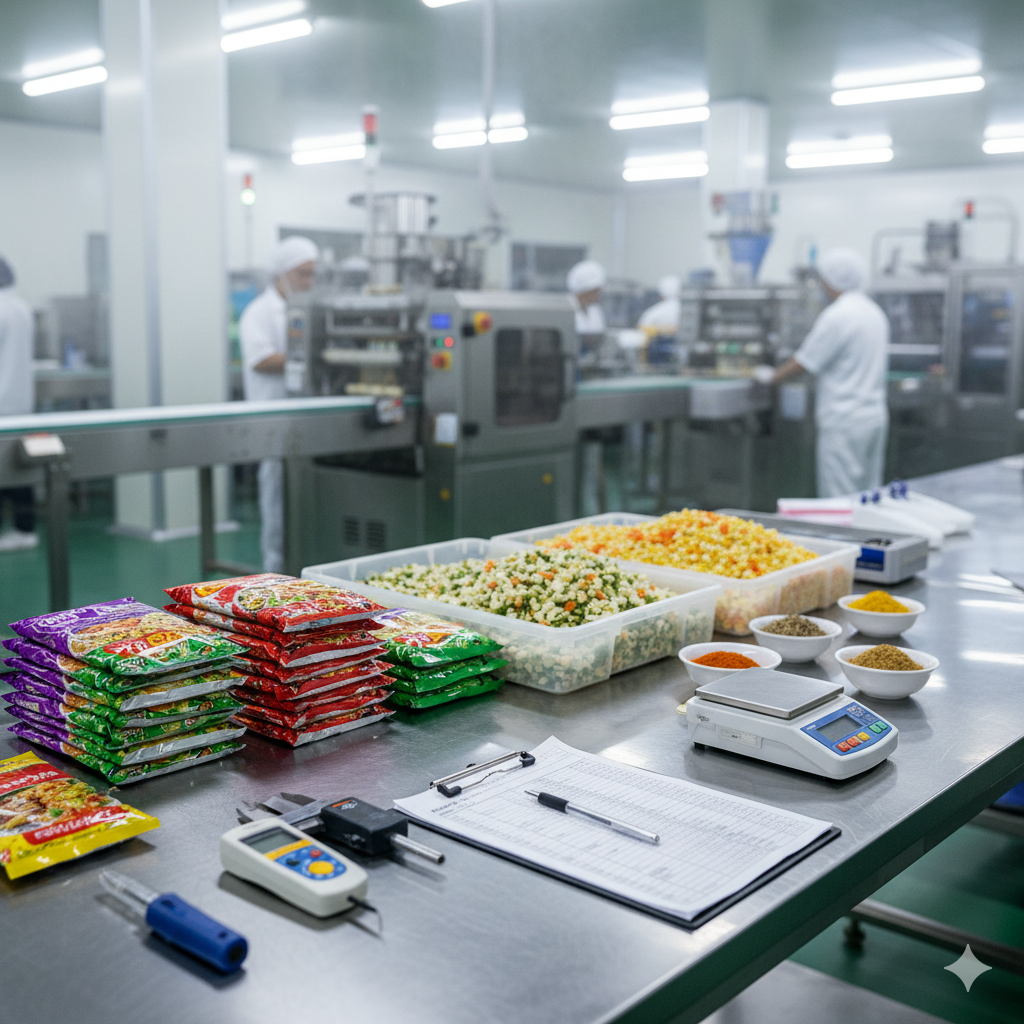
FAQs: Instant Food Manufacturers Buyer Selection Guide
1. What products do instant food manufacturers typically produce
They produce ready to eat meals, instant noodles, mixes, soups, frozen foods, and dehydrated products.
2. How can buyers verify manufacturer reliability
Buyers should review certifications, conduct factory audits, and start with pilot orders.
3. Are private label instant food manufacturers reliable
Yes, if they follow strong quality systems and allow transparency in production processes.
4. What is the biggest risk when sourcing instant foods
Inconsistent quality and compliance failures are the most common risks without proper supplier evaluation.