Eight Color Rotogravure Printing Machine Buying Guide
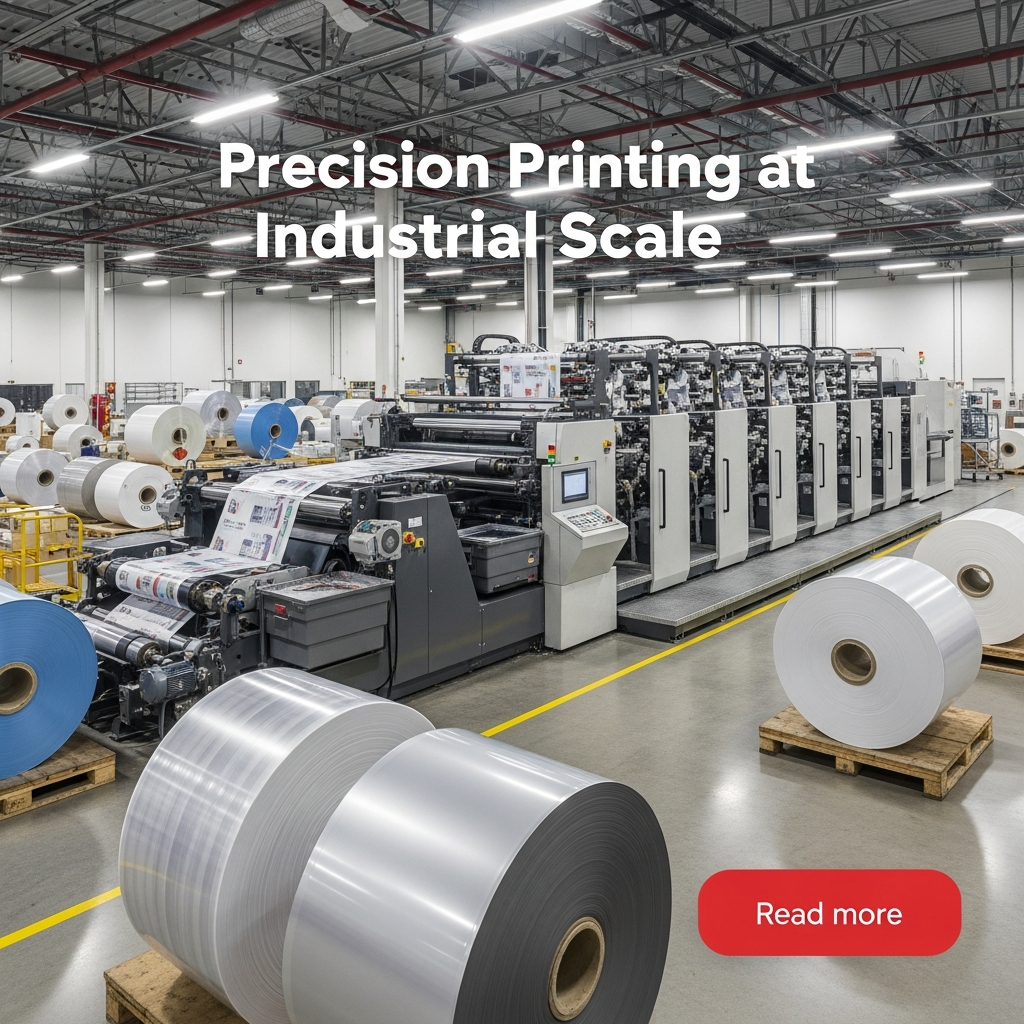
Choosing the wrong printing machine can lock a packaging business into years of quality issues and high operating costs. That is why buyers actively research Eight Color Rotogravure Printing Machine Suppliers before making an investment decision.
An eight color rotogravure printing machine is not just equipment. It is the backbone of high volume packaging production.
The demand for premium packaging has increased across food, FMCG, pharmaceuticals, and consumer goods. Buyers now expect sharper graphics, consistent color accuracy, and faster turnaround times. This pressure makes the choice of machine and supplier more critical than ever.
In this buying guide, we explain what an eight color rotogravure printing machine is, why industries rely on it, key factors to evaluate before purchase, and how buyers can reduce sourcing risks. This guide is written for plant heads, procurement managers, and packaging entrepreneurs who want clarity before investing.
What Is an Eight Color Rotogravure Printing Machine
An eight color rotogravure printing machine is designed for high speed, high quality printing on flexible packaging materials. It allows printing up to eight colors in a single run with precise registration.
This type of machine is widely used for:
- Food packaging films
- Laminated pouches
- Labels and wrappers
- Pharmaceutical and cosmetic packaging
The ability to print multiple colors in one pass improves efficiency while maintaining visual consistency across large production volumes.
Why Industries Prefer Eight Color Rotogravure Printing
Superior Print Quality at Scale
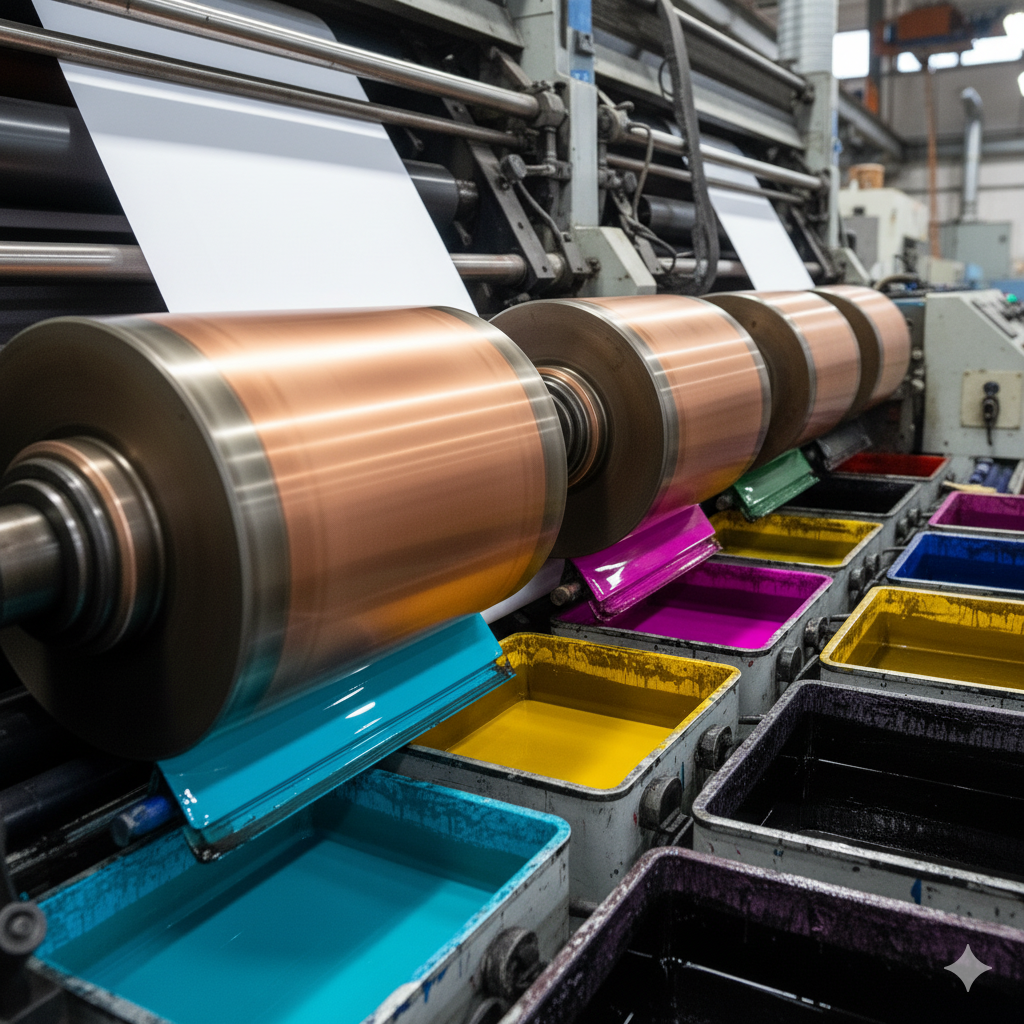
Rotogravure printing is known for its sharp image reproduction and color depth. An eight color setup enables complex designs without sacrificing speed.
Key advantages include:
- High resolution graphics
- Smooth gradients and solid ink coverage
- Consistent output over long runs
This makes it ideal for brands that demand premium shelf appeal.
Market Demand and Industry Data
According to Statista, the global flexible packaging market is projected to grow steadily due to rising demand from food and consumer goods sectors. High quality printing technologies play a critical role in this growth.
McKinsey reports that packaging quality directly influences consumer perception and purchasing decisions, especially in competitive retail environments.
These insights explain why manufacturers increasingly invest in advanced rotogravure printing systems.Source references:
- Statista flexible packaging industry analysis
- McKinsey packaging and consumer behavior insights
Key Factors to Consider Before Buying
Machine Speed and Output Capacity
Different businesses have different production goals. Machine speed directly impacts delivery timelines and profitability.
Before selecting from Eight Color Rotogravure Printing Machine Suppliers, evaluate:
- Maximum printing speed
- Substrate compatibility
- Changeover time between jobs
A machine that matches your production volume avoids underutilization or overload.
Build Quality and Engineering
A printing machine operates continuously in industrial environments. Build quality determines lifespan and maintenance costs.Look for:
- Rigid frame construction
- Precision engraved cylinders
- Reliable tension control systems
Well engineered machines deliver stable output and reduce downtime.
Automation and Control Systems
Ease of Operation Matters
Modern eight color machines use automated controls to reduce dependency on manual intervention.
Key automation features include:
- Digital tension control
- Automatic registration adjustment
- Centralized control panels
These features reduce operator errors and improve consistency across shifts.
Energy Efficiency and Operating Costs
Long Term Cost Evaluation
Initial price is only one part of the investment. Operating cost defines long term profitability.
Consider:
- Power consumption per hour
- Ink wastage control
- Maintenance frequency
Energy efficient machines help businesses stay competitive as utility costs rise.
Choosing the Right Supplier
Why Supplier Capability Is Critical
The reliability of Eight Color Rotogravure Printing Machine Suppliers directly affects installation, training, and after sales support.
Evaluate suppliers based on:
- Industry experience
- Installation and commissioning support
- Availability of spare parts
A strong supplier relationship ensures smooth operations beyond purchase.
How Pepagora Empowers Buyers
Pepagora, a B2B Growth Ecosystem enables buyers to connect with verified industrial equipment suppliers through its B2B online Marketplace.Buyers benefit by:
- Comparing multiple Eight Color Rotogravure Printing Machine Suppliers
- Reviewing supplier profiles and capabilities
- Reducing sourcing risks through verified listings
This structured approach saves time and improves purchase confidence without aggressive selling pressure.
Proven Tip for Buyers
Always Request Live Machine Demonstration before finalizing a supplier, insist on:
- Live printing demonstration
- Sample output verification
- Performance under real production conditions
This single step helps avoid post installation disappointments and confirms machine capability.
An eight color rotogravure printing machine is a strategic investment for packaging manufacturers aiming for scale and quality. The right machine improves efficiency, reduces wastage, and strengthens brand presentation.
Success depends not only on machine specifications but also on choosing dependable Eight Color Rotogravure Printing Machine Suppliers who understand your production needs.
Join B2B Growth Ecosystem to source reliable printing machinery with clarity and confidence.
FAQs: Eight Color Rotogravure Printing Machine Buying Guide
1. Who should invest in an eight color rotogravure printing machine
Businesses involved in flexible packaging, food packaging, labels, and high volume printed films benefit the most.
2. How is rotogravure different from flexographic printing?
Rotogravure offers superior print consistency for long runs, while flexographic printing is better for shorter runs.
3. What substrates can these machines print on?
They can print on plastic films, laminated materials, foil, and paper based packaging.
4. How long does installation usually take?
Installation timelines depend on machine size and automation level but typically range from a few weeks to a few months.
5. What after sales support should buyers expect?
Buyers should expect installation support, operator training, spare parts availability, and preventive maintenance guidance