Why Top Industries Choose Fabric Structure Manufacturers
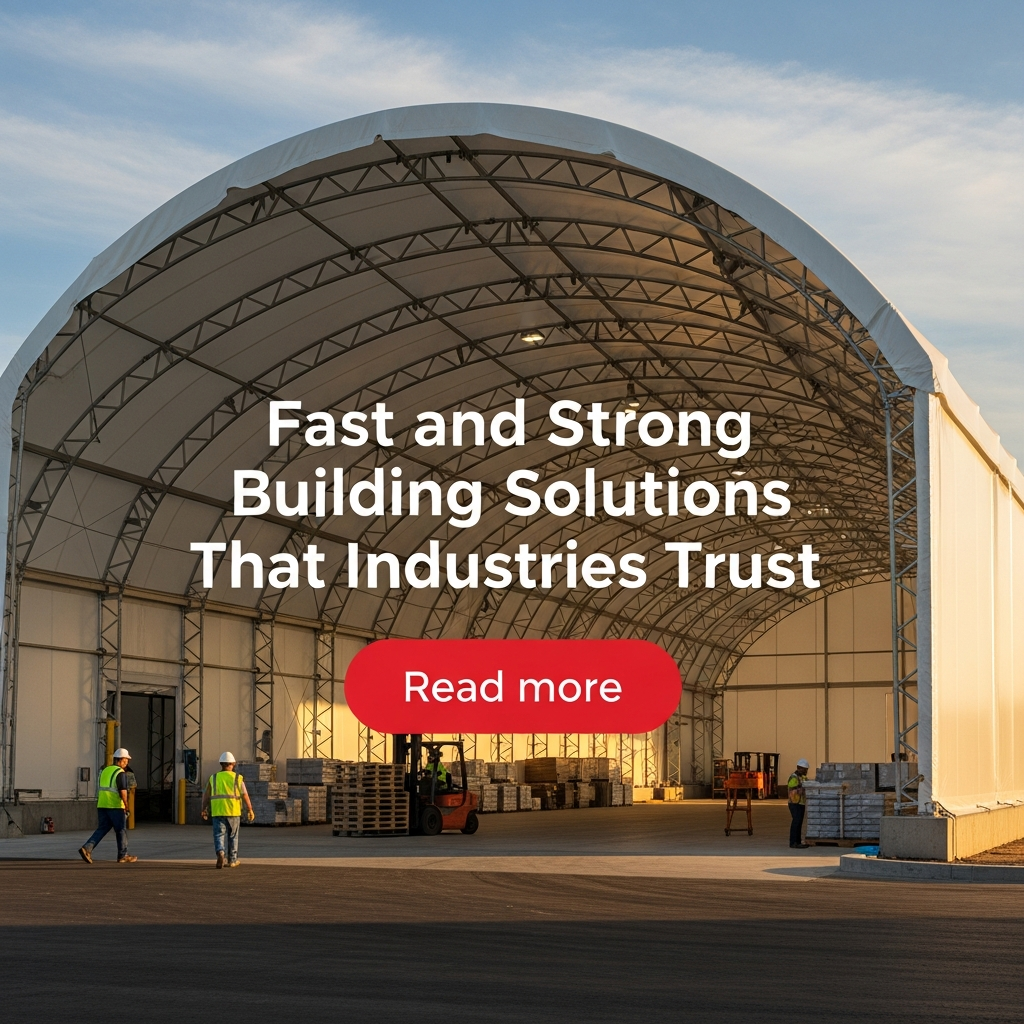
Most industries face the same challenge. Space is costly, time is limited, and expansion needs to be fast. This is where Fabric Structure Manufacturers have become a preferred choice for many sectors.
Fabric structures offer speed, flexibility, and high strength which helps companies reduce long project timelines.
Fabric Structure Manufacturers deliver solutions that are easier to install and maintain. These structures support warehousing, logistics, manufacturing, aviation, agriculture, and construction.
In this article, you will learn why top industries trust these manufacturers. You will also see market data, business advantages, structural benefits, and expert insights.
Why Industries Rely on Fabric Structure Manufacturers
High Speed Deployment Makes Operations Smooth
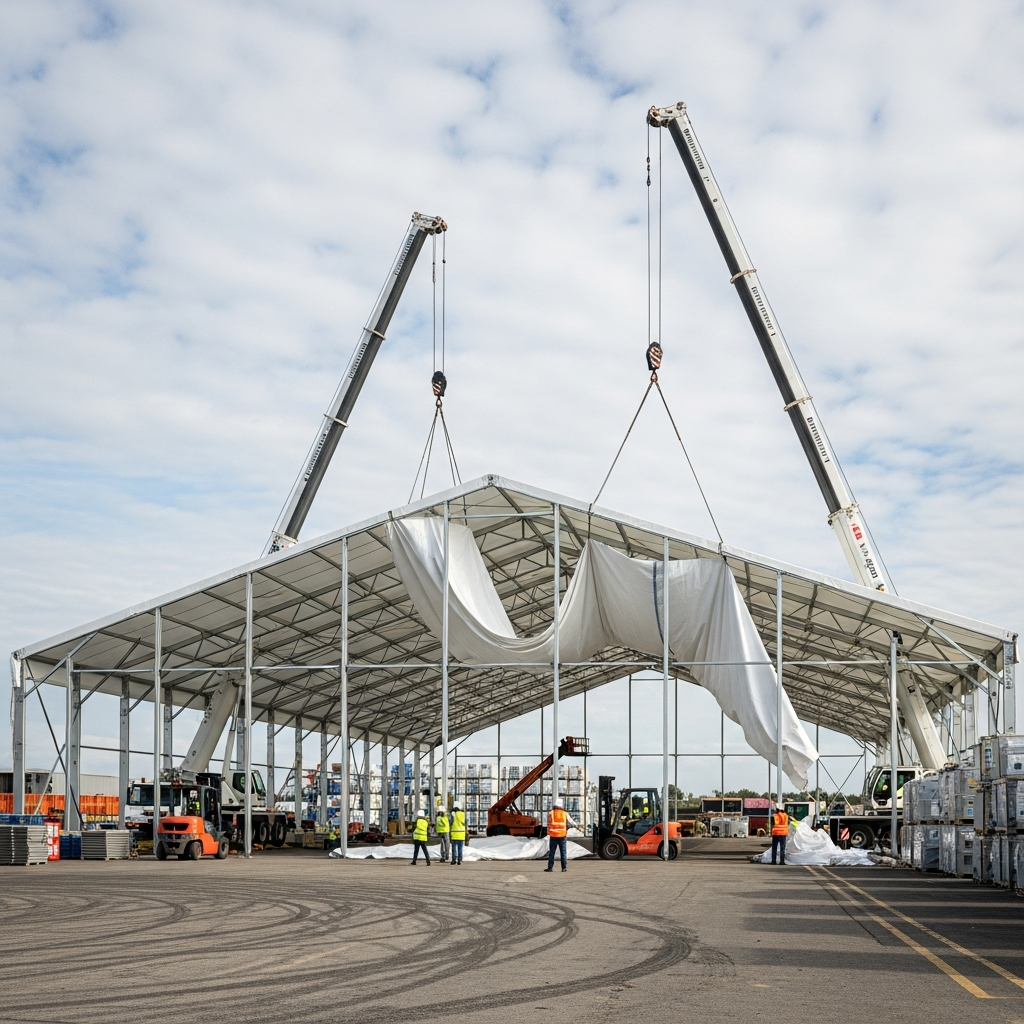
Industries today want quick setup with minimal downtime. Fabric Structure Manufacturers help companies build covered spaces faster than traditional construction.
Why speed matters
- Reduces delays in manufacturing
- Helps handle seasonal demand
- Cuts labour and construction costs
According to McKinsey, construction delays cost companies almost trillions every year due to slow project cycles. This is why fast deployment gives businesses a clear advantage.
Cost Efficiency That Supports Business Growth
Fabric structures cost far less than concrete buildings. They need less raw material, labour, and foundation work.
Key savings
- Lower project cost
- Reduced maintenance cost
- No long term property investment
- Better ROI in year one
A report by Statista states that global demand for lightweight and flexible building solutions is rising due to cost pressure across industries. This trend supports the adoption of fabric structures.
Strength and Durability for Harsh Environments
Fabric Structure Manufacturers use high grade steel frames and engineered fabric membranes. These structures withstand wind, rain, sun, and industrial load.
Industries use them for
- Chemical storage
- Mining operations
- Heavy equipment shelters
- Logistics yards
- Agricultural units
The structures are designed to resist corrosion and UV damage. This makes them reliable for long term operation.
Versatility That Supports Many Industry Needs
Fabric structures can be customised for any industry size or layout. This is one major reason companies choose them over traditional buildings.
Customisation Options
- Size based on land area
- Ventilation and insulation
- Fire retardant materials
- Lighting and airflow solutions
- Permanent or temporary setups
Flexibility helps businesses start small and expand as required.
Environmental Benefits That Align With Modern Goals
Today, sustainability is part of business strategy. Fabric Structure Manufacturers offer eco friendly solutions with a lighter carbon footprint.
How they help the environment
- Use recyclable materials
- Reduce concrete usage
- Lower energy consumption
- Provide natural daylight inside
Harvard Business Review reports that over 70 percent of organisations are redesigning operations to meet sustainability goals. Fabric structures support this shift.
Industry Applications of Fabric Structure Manufacturers
Warehousing and Logistics
Companies use fabric structures for temporary or long term storage. These structures allow large span coverage without columns.
Benefits
- Better material handling
- More usable floor space
- Easy expansion
Manufacturing and Production Units
Fabric structures provide affordable space for industrial processing lines.
Why manufacturers choose them
- Temperature control options
- Energy efficiency
- Low maintenance
Agriculture and Food Processing
Farmers and agribusinesses prefer fabric structures because they are cost effective and quick to set up.
Uses in agriculture
- Grain storage
- Livestock shelters
- Equipment storage
Aviation and Defence
Large scale fabric hangars support aircraft storage and defence equipment protection.
Benefits
- Clear span design
- Weather protection
- Easy relocation
Construction and Infrastructure Projects
Temporary onsite structures help teams store materials and run operations smoothly.
How Fabric Structure Manufacturers Improve Operational Efficiency
Reduced Maintenance Effort
Fabric structures need less maintenance than concrete and metal buildings.
What this means for industries
- Lower annual spend
- Fewer repairs
- Smooth operations
Better Safety and Compliance
Quality manufacturers follow global safety standards and provide certifications for load, fire safety, and wind resistance.
Hethi Technologiez Listed on Pepagora
While exploring verified suppliers, you will find Hethi Technologiez listed on Pepagora. They supply Fabric Structure Welded Spare Frames PEB Structures Steel Pallets Storage Bin Heavy Fabrication Storage Tanks MS and SS. Their presence helps businesses connect with reliable suppliers without guesswork.
How Pepagora Empowers Businesses Choosing Fabric Structures
Pepagora, a B2B Growth Ecosystem supports industries by connecting them with verified Fabric Structure Manufacturers across India and GCC countries. Businesses find trusted suppliers with the help of detailed listings and product data.
Why Pepagora is valuable
- Verified supplier profiles
- Clear product categories
- Support for B2B procurement
- Better visibility for manufacturers
- Easy comparison of suppliers
Pepagora also enables SMEs to reach global buyers which improves their sales journey.
Proven Tip to Maximise Value
Choose a manufacturer who provides engineering drawings, material test certificates, and load calculations. This ensures the structure meets safety and long term performance standards.
Fabric Structure Manufacturers are becoming a preferred choice for top industries because they offer speed, strength, and cost efficiency.
These structures support operations without long construction delays. They also match sustainability goals which makes them ideal for modern businesses.
Find suppliers on Pepagora for Companies seeking reliable structures should explore verified suppliers and compare features before making a decision.
FAQs: Choose Fabric Structure Manufacturers
1. Are fabric structures safe for industrial use
Yes. Quality manufacturers design them to support heavy load conditions.
2. Do fabric structures last long
They can last many years with basic maintenance due to strong steel frames and engineered membranes.
3. Can these structures be relocated
Yes. Many fabric structures are designed for easy relocation and expansion.
4. Are they suitable for extreme weather
Engineered structures withstand strong winds, sun exposure, and rain.