Why Farms Prefer Certified Organic Suppliers
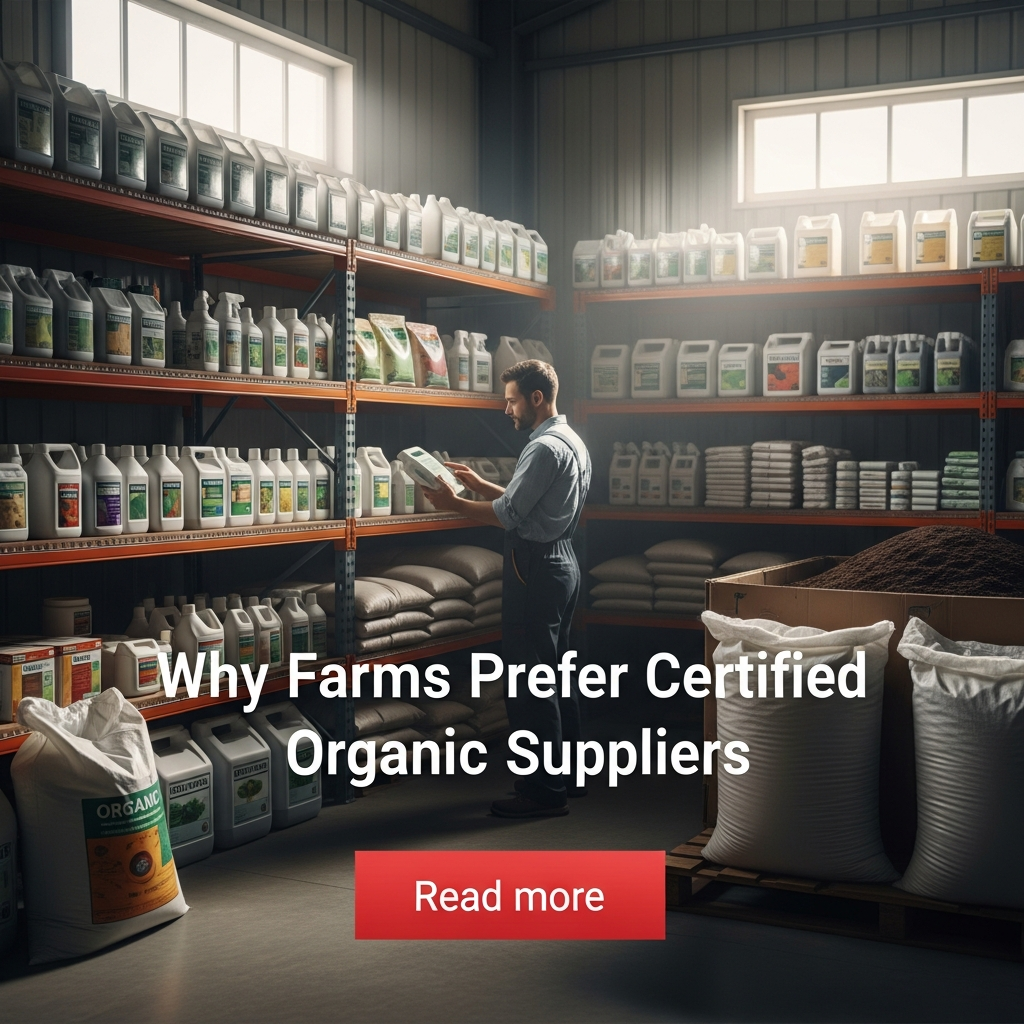
Farm yields are increasingly affected by soil depletion, harsh chemicals, and falling crop quality across many regions. This growing challenge explains why farms today rely heavily on certified organic farming supplies manufacturers to improve soil health and protect crops.
In the first three lines itself, farmers want reliable organic farming tools, inputs, and supplies that support long term sustainability without risking soil damage.The shift toward certified organic suppliers is not just a trend. It is a response to rising consumer demand for clean produce and the need for safer farming materials.
This article explains why certified suppliers matter, how they maintain quality standards, what farms evaluate before selecting them, and how trusted platforms simplify supplier discovery.
You will also find a proven tip, practical insights, FAQs, and three realistic image prompts for your article.
What Certified Organic Suppliers Do Differently
Certified suppliers follow strict guidelines to ensure that their farming products meet safety, purity, and environmental standards. Farms prefer them because they eliminate risks from harmful chemicals and improve long term soil fertility.
Clean and Verified Inputs
Certified suppliers provide products such as:
• Organic fertilizers
• Soil conditioners
• Natural pest control solutions
• Organic seeds
• Crop nutrition enhancersThese inputs undergo testing to maintain purity, safety, and quality.
Transparent Production Standards
Certified organic farming supplies manufacturers follow regulated procedures designed to minimize contamination. Farms gain confidence because the products meet official organic farming requirements.
Why Certification Matters for Farms
Certification is not just a label. It reflects credibility and compliance.
Better Soil Health
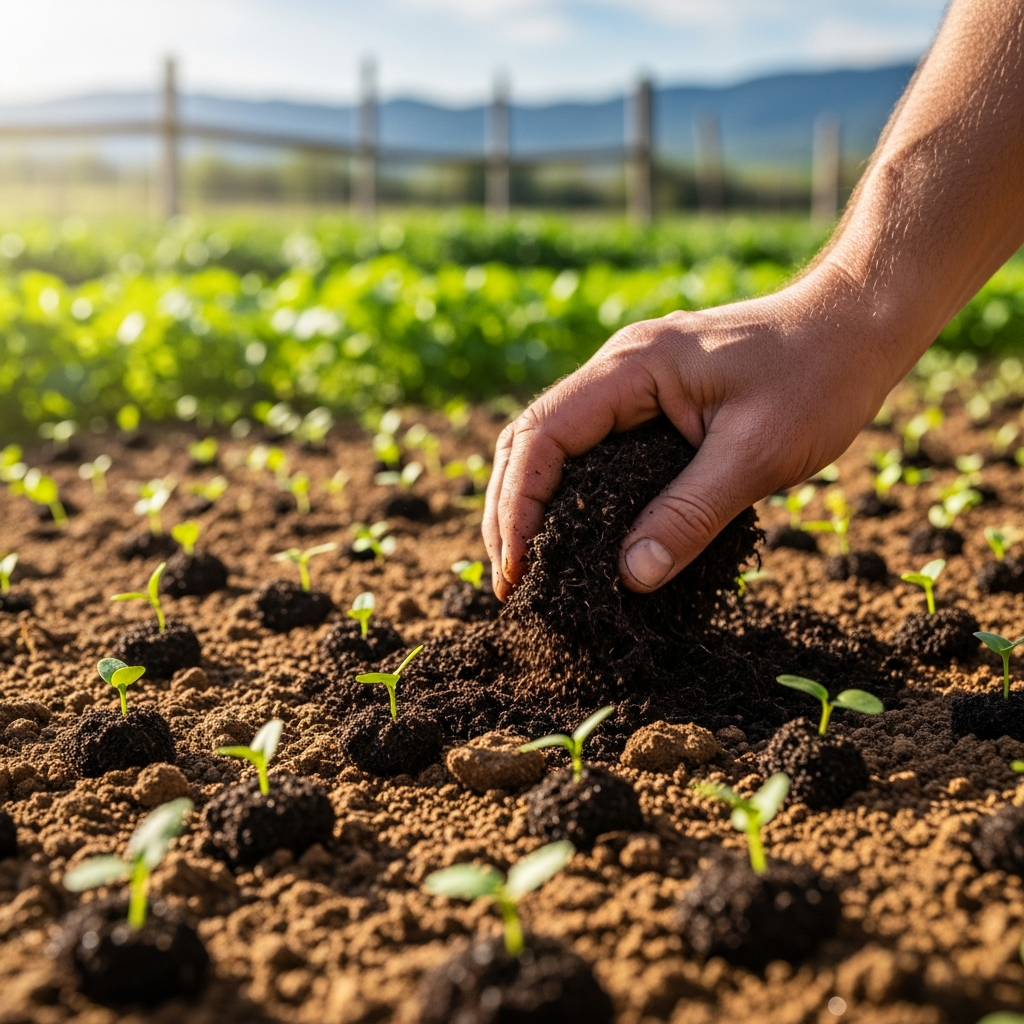
Healthy soil is the foundation of organic farming. According to a study published by the Harvard School of Public Health, organic farming practices improve soil quality and biodiversity, resulting in better long term yields.
These improvements are possible when farms use certified organic inputs that enrich soil without damaging its ecosystem.
Reduced Chemical Exposure
Certified products do not include harmful synthetic materials. This reduces the risk of crop damage, soil toxicity, and long term environmental harm.
Higher Market Value
Consumers willingly pay premium rates for organic produce.
According to Statista, the global organic food market continues to grow steadily, crossing hundreds of billions in value. Using certified inputs helps farms maintain this premium category.
Key Factors Farms Look For in a Supplier
Before selecting a supplier, farms evaluate several practical factors to ensure reliability.
Consistency in Quality
Farms avoid suppliers whose products vary in efficiency. Consistency ensures predictable results.
Tested and Verified Inputs
Reliable suppliers share test reports, quality certificates, and nutrient composition details.
Transparency in Sourcing
Farms prefer suppliers who disclose the origin of raw materials and avoid hidden chemical components.
Responsiveness and Support
Farmers appreciate suppliers who provide usage guidance and after sales support.
Benefits of Choosing Certified Organic Farming Supplies Manufacturers
Choosing the right supplier influences production, crop health, and market success.
Environmental Protection
Organic supplies support biodiversity and reduce pollution.
Long Term Soil Strength
Quality organic inputs strengthen soil structure, making land more resilient against weather changes.
Higher Crop Productivity
Though organic farming focuses on soil first, crops benefit over time. Clean inputs create healthier root systems and sustainable yields.
How Farms Ensure They Are Choosing the Right Supplier
Selecting suppliers requires planning and evaluation. Farmers often follow these steps.
Compare Different Supplier Profiles
Farms assess product quality, certifications, prices, and product diversity.
Review Field Performance
They test products on a smaller area before buying in bulk.
Request Certification Proof
Farmers ask suppliers for relevant agricultural organic certifications to ensure authenticity.
Evaluate Long Term Value
Organic products may come at different price ranges, but value is measured by soil performance and crop health, not price alone.
Common Challenges Farms Face and How Certified Suppliers Solve Them
Soil Degradation
Many farms deal with nutrient loss. Certified suppliers offer organic fertilizers and soil boosters that restore long term soil nutrition.
Pest and Disease Damage
Chemical pesticides often cause resistance. Natural pest control solutions reduce this risk and maintain crop protection.
Unpredictable Crop Quality
Certified inputs provide reliable performance which helps farms maintain uniform quality standards.
How Pepagora Empowers Farms and Buyers
Farmers often struggle to verify the authenticity of suppliers. Platforms like Pepagora, a B2B Growth Ecosystem simplify this by showcasing verified agricultural suppliers, offering product details, and helping buyers compare multiple organic input manufacturers in one place.
This makes the decision process more informed and reduces risks for farms seeking certified organic farming supplies manufacturers.
Proven Tip for Choosing Organic Suppliers
Ask for a complete batch production history before placing a bulk order. Reviewing traceability records helps you confirm that each input was produced under certified organic standards.
Farms that follow this simple step report better consistency and long term soil performance.
Certified organic farming suppliers play a vital role in helping farms improve soil health, crop quality, and market value. Their tested and verified products support healthier agricultural practices and ensure long term sustainability.
By evaluating quality, certifications, transparency, and long term value, farms can make better sourcing decisions.
Join B2B Growth Ecosystem and connect with trusted organic manufacturers who support sustainable growth.
FAQs: Farms Prefer Certified Organic Suppliers
1. What makes certified suppliers more reliable for farms
Certified suppliers follow strict regulations that ensure purity, safety, and environmental responsibility.
2. Do certified organic inputs improve crop yield
In the long run, yes. Healthy soil creates healthier crops which eventually improves productivity.
3. How can farms verify if a supplier is certified
Farmers can ask for official certificates and test reports from recognized agricultural certification bodies.
4. Why is soil health so important for organic farming
Soil is the base of organic farming. Rich soil produces stronger plants and reduces the need for synthetic chemicals.
5. Are organic farming supplies more expensive
Some products may cost more but the long term value and sustainability outweigh the initial investment.