Top Beverage Suppliers for Retail & Trade
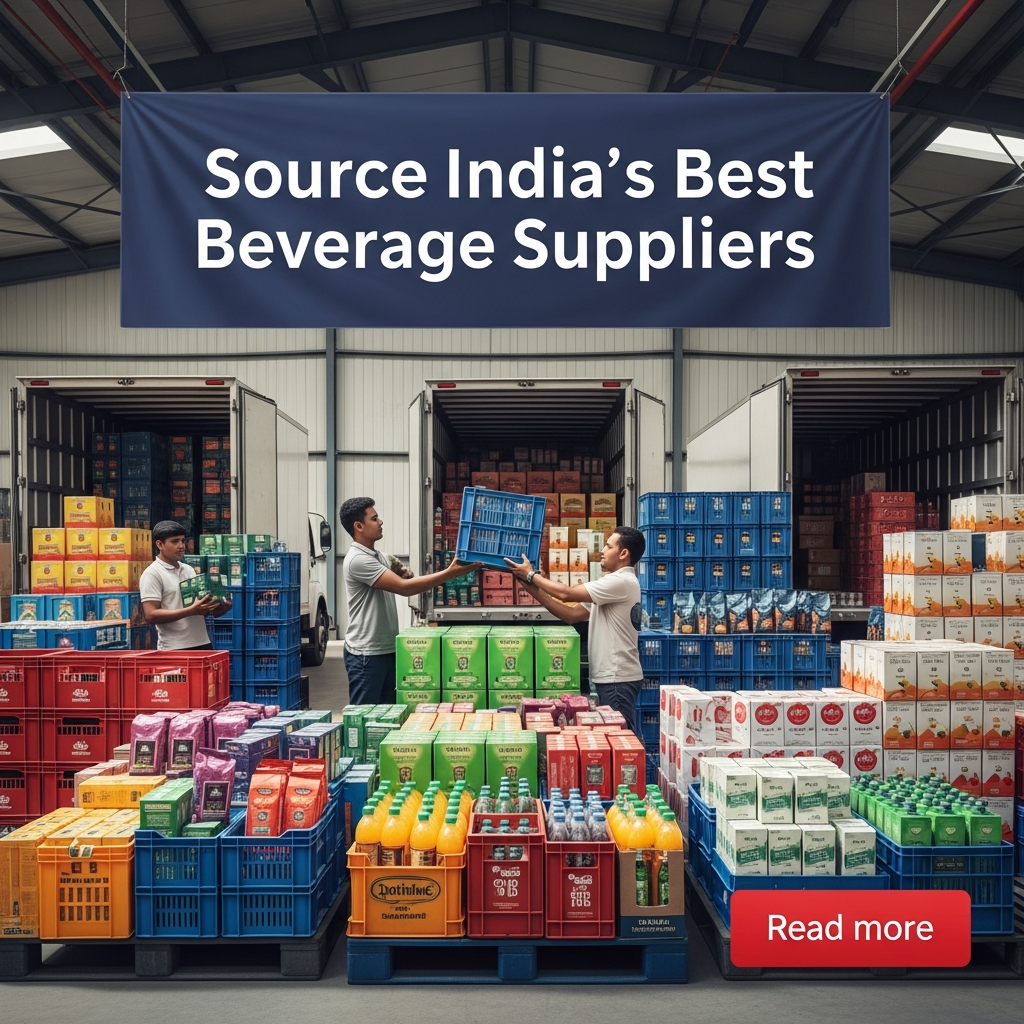
Picture this your best-selling juice stock runs out just before a festive weekend, or your coffee supplier misses a shipment deadline.
That’s every retailer’s nightmare. Finding dependable beverages (tea, coffee, juices) suppliers in India isn’t just about price; it’s about consistency, trust, and growth.
The Indian beverage industry is booming with countless opportunities for trade and retail businesses. From organic teas to ready-to-drink coffee and fresh fruit juices, the choices are vast.
This article explores how to identify top beverage suppliers in India, what makes them trustworthy, key market trends, and how using a B2B online Marketplace can simplify sourcing.
Market Overview: Why It’s a Good Time
The Indian beverage market is expanding rapidly, driven by changing consumer lifestyles, rising incomes, and demand for healthier options.Key insights include:
• The Indian beverage market touched USD 75 billion in 2024 and continues to grow steadily.
• Health beverage consumption is projected to grow by over 10% annually for the next five years.
• The sector is among India’s top employment-generating industries in the food and drink category.
What this means for you: Partnering with reliable beverage suppliers (tea, coffee, juices) in India ensures a consistent supply chain and helps you ride the wave of growing consumer demand.
Key Criteria to Select Beverage Suppliers
When choosing the right beverage supplier, here’s what to consider:
Supplier Reliability and Track Record
• Choose suppliers with proven consistency in quality and delivery
• Ensure compliance with FSSAI and food safety norms
• Ask for product certifications and inspection reports
Product Range and Specialization
• A good supplier should cover all beverage types – tea, coffee, and juices
• Look for flexibility in bulk orders and private labeling options
Supply Chain and Logistics
• Strong logistics ensure timely delivery for retail and export
• Quality packaging helps maintain freshness and shelf life
Pricing and Terms
• Transparent pricing with flexible payment options
• Seasonal adjustments and bulk order discounts
Marketplace Presence
• Verified listings on trusted B2B online Marketplaces simplify sourcing
• Filters and buyer reviews make comparison easier
Top Supplier Types in the Indian Beverage Market
Large-Scale Manufacturers
These companies produce beverages on a massive scale and often serve major supermarket chains.
Pros: High reliability, consistent quality, and nationwide distribution.
Cons: Higher minimum order quantities and less product flexibility.
Contract Manufacturers and Private Label Experts
Perfect for retailers wanting to create their own brand of beverages.
Pros: Custom formulations and labeling flexibility.
Cons: Smaller output capacity and longer production timelines.
Niche and Organic Beverage Producers
With the health and wellness trend, organic teas, artisanal coffee, and cold-pressed juices are gaining popularity.
Pros: Unique product positioning and loyal customer base.
Cons: Higher costs and variable availability.
How to Find and Vet Suppliers on a Marketplace
A B2B online Marketplace helps save time and minimize risk. Here’s a simple 3-step process to find the best beverage suppliers:
Step 1 – Search and Filter
Use precise keywords like beverages (tea, coffee, juices) suppliers in India. Filter by category, order quantity, and export capacity.
Step 2 – Evaluate and Verify
Request samples, check packaging, and review certifications. Assess supplier responsiveness and professionalism.
Step 3 – Pilot Order and Negotiate Terms
Place a small initial order. Discuss payment terms and set clear delivery timelines before scaling up.This process ensures you choose dependable partners while reducing sourcing risk.
Key Trends in the Beverage Supply Sector
• Rising demand for health and functional beverages such as sugar-free juices and fortified drinks.
• Growth in ready-to-drink teas and coffees for urban consumers.
• Sustainable packaging solutions gaining importance among suppliers.
• Increased online sourcing through B2B Marketplaces for convenience and transparency.
• Regional suppliers growing rapidly due to local taste preferences and affordable logistics.
How Pepagora Empowers You
Pepagora, a B2B Growth Ecosystem helps retailers and traders connect with verified beverages (tea, coffee, juices) suppliers in India.
It offers:
• A curated list of reliable suppliers with verified profiles and product catalogs
• Advanced filters for product type, volume, and trade focus
• Direct negotiation tools for better pricing and faster communication
• Insights and sourcing guides to support informed decision-makingBy using Pepagora, you gain visibility, access, and confidence while sourcing beverages across India.
Proven Tip
Before finalizing a beverage supplier, negotiate a one-month stock rotation clause. This ensures that unsold stock can be exchanged or credited, minimizing inventory risks for new products and seasonal beverages.
Finding reliable beverages (tea, coffee, juices) suppliers in India can transform how your business operates. With the right partners, you ensure consistent product quality, faster replenishment, and better margins.
Market trends show that demand will continue to rise, making now the perfect time to strengthen your sourcing strategy.Explore verified suppliers, compare options, and start building your supply chain advantage today.
Join B2B Growth Ecosytem to find Verified suppliers and scale smarter and faster.

FAQs: Beverage Suppliers for Retail & Trade
1. What is the minimum order size for beverage suppliers?
Minimum orders depend on supplier type. Large manufacturers may require thousands of units, while smaller private-label providers accept limited batches.
2. How do I check supplier authenticity?
Always verify certifications, inspect samples, and confirm packaging standards. Reliable suppliers will willingly share documentation and product photos.
3. Can the same supplier handle both retail and export orders?
Yes, many suppliers serve both. Ensure they are compliant with export requirements and have logistics partners experienced in international delivery.
4. What should I look for when comparing prices?
Compare unit costs, packaging quality, delivery times, and after-sales support. Cheaper doesn’t always mean better if quality or service is compromised.