Choosing Safe and Strong Fabric Structures Manufacturers
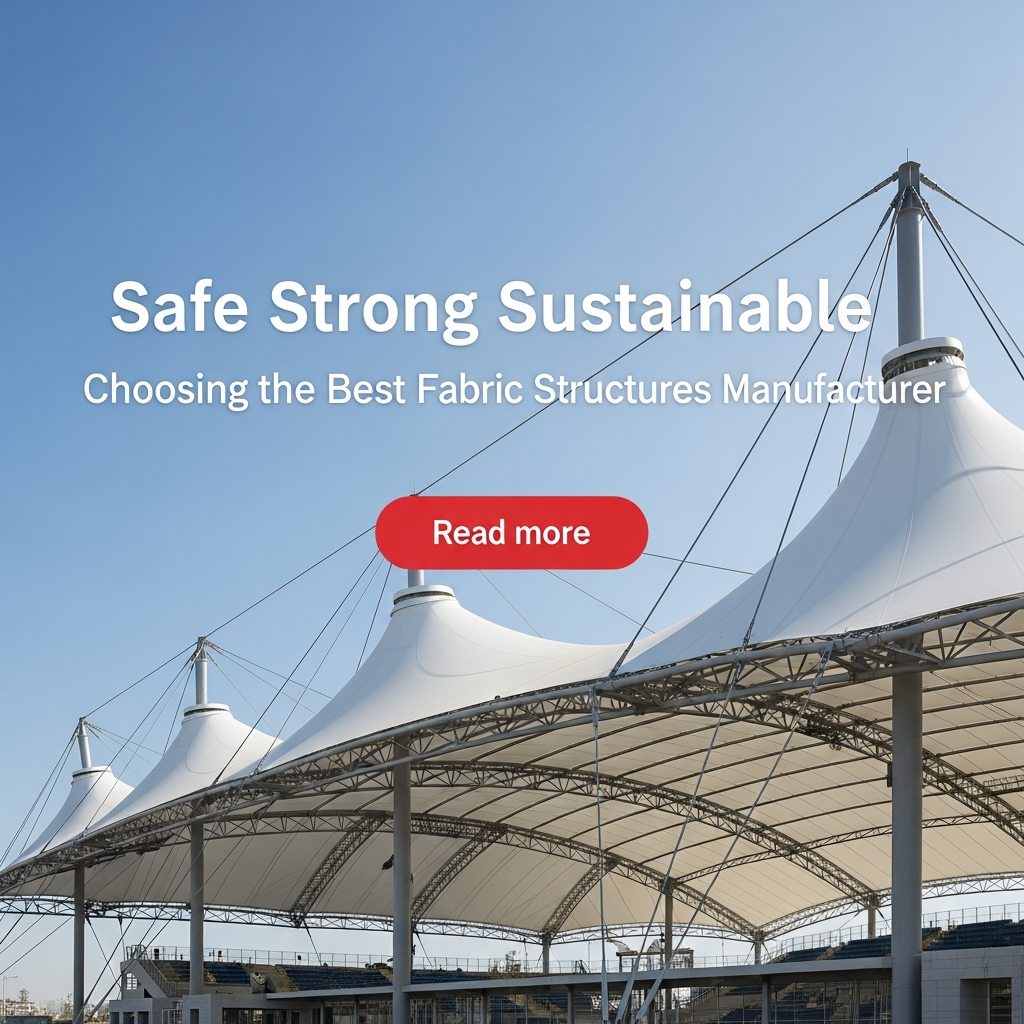
Have you ever wondered what really makes a fabric structure safe and strong?
When selecting fabric structures manufacturers, your decision impacts not just how the structure looks but how well it performs under weather loads, sunlight, and long term environmental stress.
Fabric structures are common in stadiums, industrial zones, and commercial spaces. A failure can lead to financial loss and major safety concerns.This makes choosing the right fabric structures manufacturers more important than ever.
In this article, you’ll learn how to evaluate engineering capability, material quality, compliance, reputation, and after sales support so that you can partner with manufacturers who deliver reliable results.
Why Choosing the Right Fabric Structures Manufacturer Matters
Risk and Safety Factors
- Structural issues such as membrane tearing or frame distortion can occur if engineering standards are not followed
- Material degradation reduces lifespan when inferior fabrics are used
- Life safety risks increase when load calculations or tensioning are incorrect
Long Term Cost and Value
- High quality materials reduce frequent repairs
- Better engineering increases the lifespan of the structure
- Reliable manufacturers offer strong warranties and transparent service
Compliance and Regulatory Standards
- Fabric structures must meet building codes, design loads, and fire safety norms
- Material certifications ensure strength, durability, and flame resistance
- Proper documentation of structural calculations is essential
Key Criteria to Evaluate Fabric Structures Manufacturers
Engineering Expertise and Design Capability
- Choose manufacturers with experienced structural engineering teams
- Ensure they provide detailed drawings, load calculations, and connection details
- Ask for previous project references and similar case studies
Quality of Materials
- Evaluate the type of fabric used such as PVC coated polyester, PTFE, ETFE
- Check for fire retardant treatment and UV stability
- Inspect steel or aluminium frame quality including welding and corrosion protection
- Request fabric test certificates for tensile strength and fire rating
Compliance and Standards Adherence
- Confirm the manufacturer follows building regulations and fabric testing norms
- Ensure design meets wind load, live load, and pre stress requirements
- Review maintenance manuals and lifecycle documents
Reputation and Track Record
- Look for companies with proven experience in industrial, commercial, or sports tensile structures
- Review certifications and client testimonials
- Shortlist manufacturers who specialise in complex tensile projects
After Sales Support and Maintenance
- Reliable companies provide inspection, tensioning, and repair services
- Understand warranty terms for fabric, seams, and frame
- Ask how they handle long term maintenance
Cost and Contract Transparency
- Request a detailed breakup of design, fabrication, installation, and maintenance
- Understand timelines, quality checks, and milestone payments
- Ensure the contract clearly states expected performance standards
Market Trends and Industry Insights
- The global tensile fabric structure market has been growing steadily due to demand in sports infrastructure, commercial shading, and industrial architecture
- Architectural fabrics like PTFE, PVC, and ETFE continue to dominate due to durability and improved energy efficiency
- Growing adoption of sustainable construction materials is increasing demand for high quality tensile structures
These trends also mean more manufacturers are entering the market, so choosing the right one becomes even more important.
How Pepagora Empowers You
Pepagora helps buyers evaluate and compare fabric structures manufacturers with confidence. You can explore verified suppliers, review their product capabilities, request quotations, and check certifications all in one place.
Hethi Technologiez is one such verified supplier listed on Pepagora, offering Fabric Structure Welded Spare Frames, PEB Structures, Steel Pallets, Storage Bins, Heavy Fabrication, Storage Tanks, and MS and SS fabrication.
Their presence on a trusted marketplace gives buyers added assurance.
Proven Tip:
This independent check validates calculations, load paths, and connection details. It also eliminates hidden design weaknesses and greatly reduces long term risk.
Selecting the right fabric structures manufacturers goes beyond choosing the cheapest option. Your decision influences safety, durability, cost efficiency, and the long term performance of your structure.
By assessing engineering capability, materials, compliance, and after sales service, you ensure your project is built to last.
Pepagora makes sourcing easier by connecting you with verified and reliable suppliers.
Find suppliers on Pepagora and make your fabric structure project safe, strong, and future ready.
FAQs: Choosing Safe and Strong Fabric Structures Manufacturers
1. What types of fabric are commonly used in tensile structures?
PVC coated polyester, PTFE coated glass fabric, and ETFE films are the most commonly used materials based on durability and application.
2. How long does a fabric structure last?
With proper tensioning and high quality materials, fabric structures typically last between fifteen to thirty years.
3. How does wind affect fabric structures?
Wind load is one of the most critical design factors. Proper pre stressing and strong connection detailing are essential to withstand local wind conditions.
4. Are fabric structures fire safe?
When engineered with flame retardant fabrics and tested under recognised fire safety standards, tensile structures can meet required safety levels.
5. How do I maintain a tensile structure?
Routine cleaning, inspection of seams, checking tension levels, and reviewing structural connections help maintain long term performance.